In the high-stakes world of alternative commercial finance, merchant cash advance (MCA) funders face a persistent breed of risk: bad-faith actors who treat capital deployment as an interest-free lottery ticket rather than a binding commercial transaction. Whether through "stacking" multiple advances behind a funder’s back, intentionally routing daily revenue away from designated accounts, or fabricating financial metrics on an application, merchant fraud can rapidly erode an investment portfolio.
When a merchant defaults and a funder initiates litigation, recovery often hinges on one critical baseline: How well was the contract armored at inception?
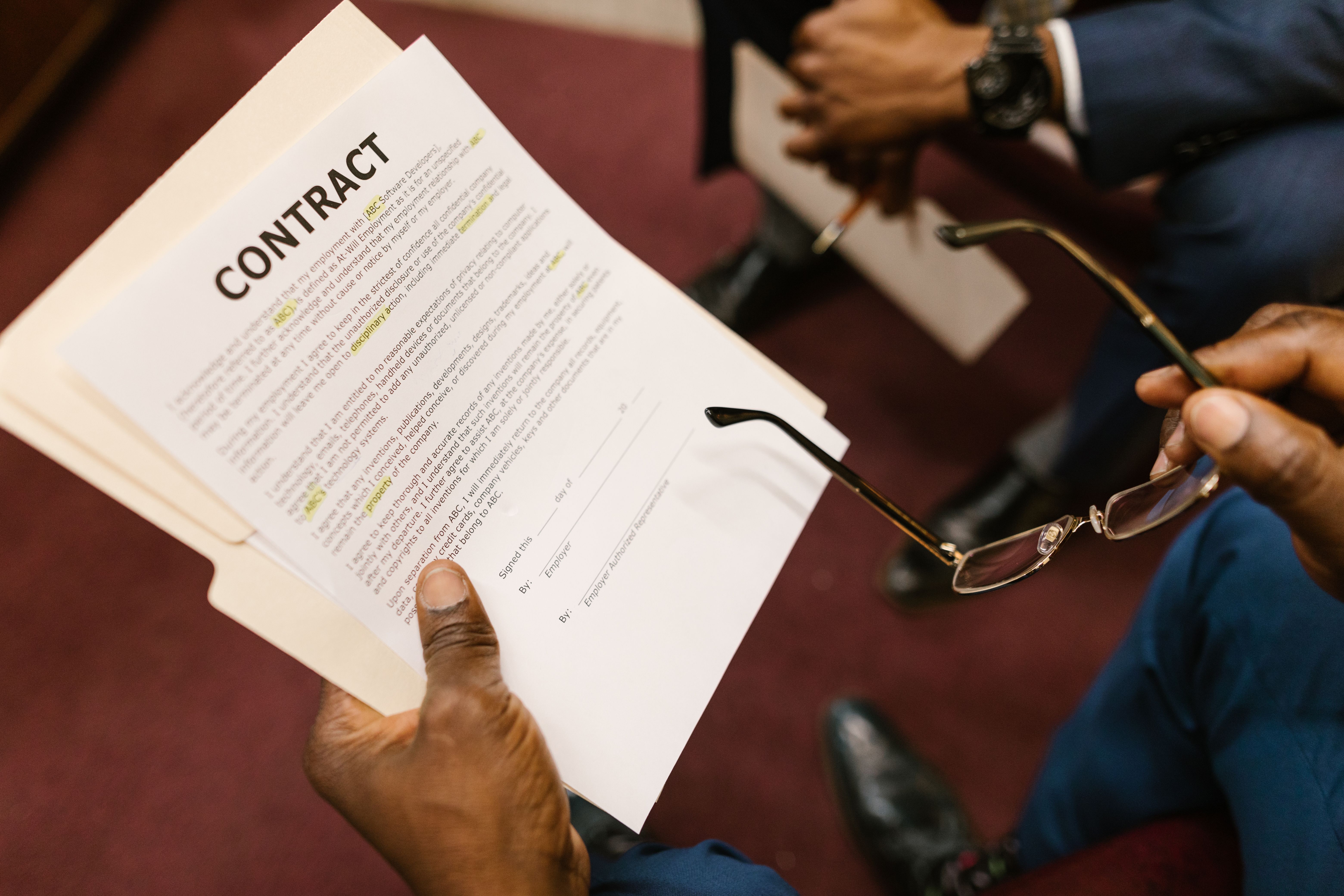
Relying on generic template agreements or boilerplate terms is an open invitation for crafty debtors and defense counsel to exploit loopholes. To protect capital and preemptively neutralize deceptive behavior, specialized legal architecture is required. An experienced MCA attorney builds robust representations, warranties, and intent provisions directly into the agreement, transforming standard paperwork into an aggressive instrument for accountability and recovery.
Key Takeaways
- Templates Invite Exploitation: Generic, off-the-shelf MCA agreements leave funders vulnerable to sophisticated merchant fraud, including hidden stacking and intentional revenue diversion.
- Precision R&Ws Act as Legal Tripwires: By embedding explicit representations and warranties regarding financial accuracy, account exclusivity, and debt restrictions, funders can legally categorize bad-faith actions as material breaches and fraud.
- Balancing Structure and Enforcement: Expert contract drafting ensures that anti-fraud measures do not compromise the "true sale" nature of the receivables purchase, preserving enforceability against usury and debt-defense claims.
The Anatomy of Merchant Deception: Why Standard Contracts Fall Short
Too many funders rely on basic contracts that outline only the upfront funding amount, the daily remittance percentage, and a rudimentary default clause. While these elements cover baseline mechanics, they are entirely defensible and frequently dismantled by merchants who engage in pre-planned or opportunistic fraud.
Common bad-faith tactics include:
- Stealth Stacking: Securing a primary advance and subsequently layering multiple secondary or tertiary cash advances from competing funders without disclosure, instantly overloading the merchant’s daily cash flow and forcing a default on the initial funder.
- Revenue Diversion: Silently opening secondary bank accounts, instructing credit card processors to deposit daily receipts into unmonitored accounts, or switching payment processors entirely to bypass ACH debits.
- Application Padding: Submitting falsified bank statements, altered profit-and-loss statements, or fabricated tax documents during the underwriting phase to inflate daily revenue figures and secure a larger cash payout than the business profile warrants.
When these behaviors manifest, a funder cannot simply rely on a generic "breach of contract" claim. They must prove that the merchant's actions violated specific, enforceable covenants built into the structural DNA of the agreement.
Engineering Robust Representations and Warranties
To capture and penalize bad-faith merchants, an MCA attorney moves beyond simple operational terms to craft hyper-specific representations and warranties (R&Ws). These provisions act as legal tripwires, ensuring that if a merchant acts deceptively, it constitutes an immediate, material breach that unlocks swift legal recourse.
1. Anti-Stacking Covenants and Continuous Disclosure
An effective agreement must contain absolute, unambiguous prohibitions against stacking. An MCA attorney drafts provisions that explicitly state the merchant does not have any outstanding cash advances, loans, or encumbrances on future receivables at the time of execution and will not incur any additional debt or funding obligations without prior written consent from the funder.
- The Legal Edge: By framing unapproved subsequent financing as a material misrepresentation of financial condition rather than just a missed payment, the funder establishes grounds for fraud claims alongside standard breach of contract.
2. Exclusive Account Control and Revenue Integrity Warranties
Because an MCA is legally structured as a purchase of future receivables rather than a loan, the integrity of the designated depository account is paramount. Attorneys embed warranties guaranteeing that the merchant will maintain the designated bank account, keep ACH instructions active, and refrain from interfering with the funder’s automated debits.
- The Legal Edge: Provisions are structured so that closing the account, revoking ACH authorization without utilizing formal reconciliation protocols, or redirecting credit card processing streams constitutes an intentional impairment of the funder's property. This shifts the narrative from a routine business slowdown to willful conversion of purchased assets.
3. Material Accuracy and Intent to Defraud Warranties
To combat application-stage fraud, the contract must include explicit representations regarding the absolute veracity of all submitted financial documents. An attorney crafts language stating that the merchant acknowledges the funder is relying directly on the truthfulness of these documents to evaluate risk.
- The Legal Edge: Establishing this reliance is crucial. If it is later discovered that a merchant submitted doctored bank statements, this warranty strips away the defense of "mistake" or "misunderstanding," exposing the principals to personal liability and piercing arguments attempting to shield assets behind a corporate entity.
Protecting the "True Sale" While Enforcing Fraud Remedies
Advanced MCA contract drafting requires a delicate balance: preserving the transaction's character as a true purchase of receivables while keeping teeth to punish fraud.
Courts closely examine whether an agreement functions as a legitimate purchase of receivables or a disguised usurious loan. Features such as genuine, non-discretionary reconciliation clauses and indefinite repayment horizons protect the agreement from usury invalidation. However, an experienced MCA attorney knows how to thread the needle:
- Isolating Fraud from Performance Risk: The contract must clearly distinguish between a merchant whose business naturally declines due to market conditions (who is protected by reconciliation rights) and a merchant who artificially suppresses or diverts cash flow to evade payment while maintaining strong underlying sales.
- Carve-Outs for Bad Faith: By explicitly defining intentional revenue diversion, unapproved stacking, and document falsification as distinct Events of Default that bypass standard cure or reconciliation workflows, the agreement penalizes bad actors without compromising the overarching structure that keeps the contract legally sound against usury challenges.
Protect Your Capital Before the Next Default
Don’t leave your portfolio exposed to merchant fraud, unauthorized stacking, or weak contract terms. An outdated or generic agreement can turn a routine collection issue into an unrecoverable loss.
At David I. Mizrahi Law, P.C., we help MCA funders fortify their agreements, maintain true-sale compliance, and aggressively protect their investments.
Schedule a Strategic Contract Audit Today | Speak directly with an experienced Merchant Cash Advance attorney to ensure your portfolio is bulletproof against bad-faith merchants.
Frequently Asked Questions
1. What makes an "anti-stacking" clause legally effective in an MCA contract?
An effective anti-stacking clause goes beyond a simple request; it is drafted as an ongoing affirmative representation and warranty. It explicitly defines the acquisition of any secondary or tertiary funding without the primary funder's written consent as an immediate Event of Default, triggering acceleration clauses and preserving remedies for fraudulent misrepresentation.
2. Can a merchant be held personally liable if they commit fraud during the MCA application process?
Yes. While standard corporate protections usually shield business owners from company debts, robust personal guarantees drafted with specific fraud and misrepresentation carve-outs allow funders to pursue the personal assets of owners who intentionally submit falsified bank statements or drain accounts to avoid payment.
3. How does contract drafting prevent a merchant from claiming an MCA is a "disguised loan"?
To prevent a transaction from being recharacterized as a usurious loan, the contract must feature an indefinite repayment term, a true purchase-of-receivables structure, and a functional reconciliation mechanism. Expert drafting ensures that while standard business slowdowns are accommodated, intentional fraud and diversion remain strictly punishable breaches.
4. What evidence is needed if a merchant breaches the contract by diverting daily receivables?
Funders typically rely on historical bank data, processor logs, and forensic tracking showing a sudden, unexplained drop in daily ACH collections matched with evidence that the business is still operating and generating revenue elsewhere. Clear contract language requiring immediate notification of account changes makes proving this breach straightforward in court.
5. Why should an MCA funder work with a specialized attorney for contract drafting rather than using a standard template?
The legal landscape surrounding commercial finance is heavily scrutinized, with state regulations (such as New York's CFDL) and evolving case law constantly shifting. An MCA attorney ensures that agreements are customized to withstand aggressive debtor defense tactics, protect capital, and maximize recovery potential from day one.