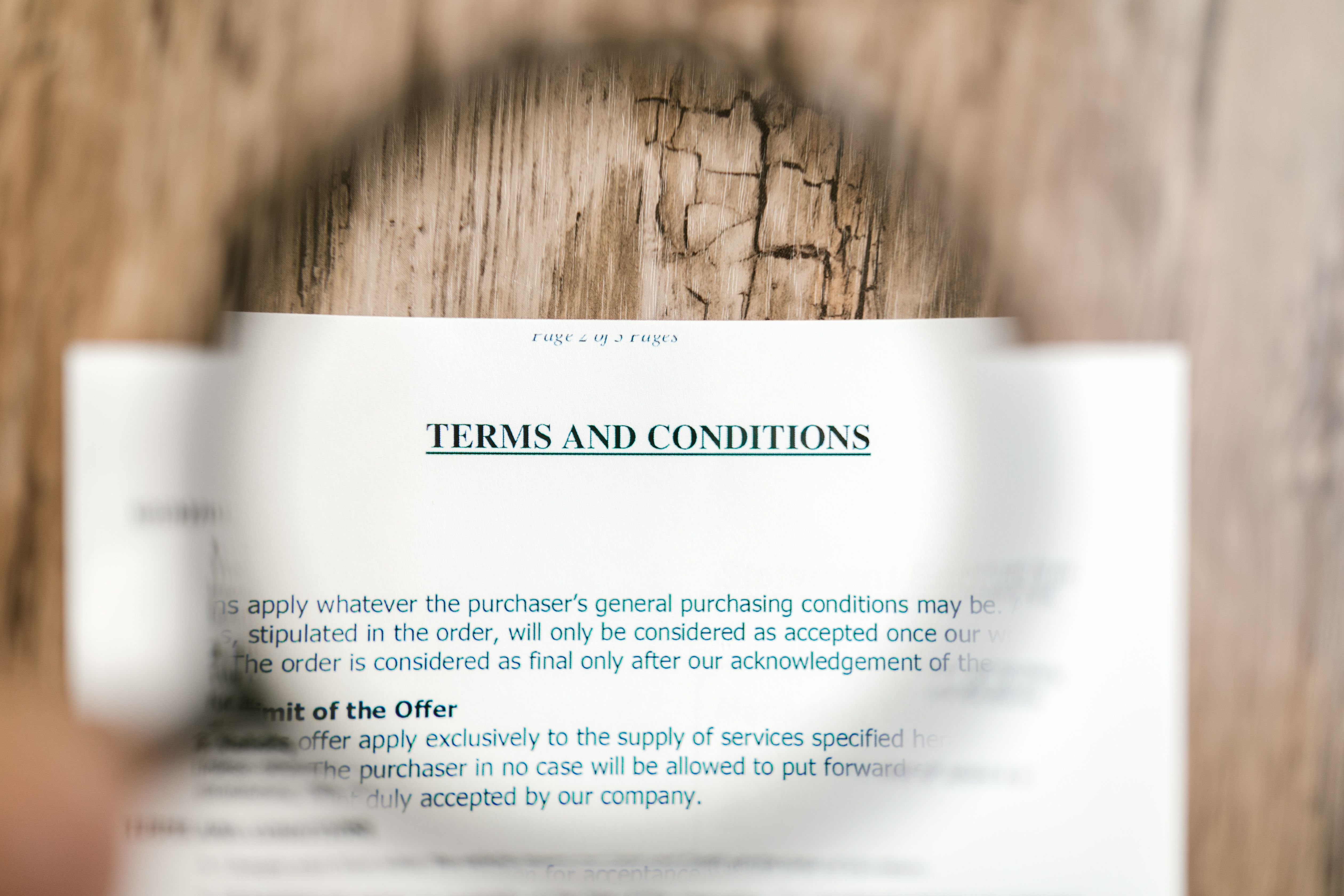
Extending credit to customers helps businesses grow, but when payments go unpaid, the effects can disrupt cash flow and profitability. That’s when debt collection services become necessary.
Before taking action, however, New Jersey businesses must understand that debt collection is governed by state law. Missteps in the process can expose your business to lawsuits, fines, or reputational harm. Partnering with a debt collection attorney in New Jersey ensures compliance and maximizes the likelihood of recovery.
This guide covers the essentials of New Jersey debt collection laws, enabling business owners to pursue overdue debts with confidence.
Key Takeaways
- Debt collection in New Jersey is strictly regulated under state law.
- The statute of limitations for most debts is six years.
- Court judgments are enforceable for 20 years, giving businesses long-term recovery options.
- Agencies must be licensed to operate legally in New Jersey.
- Working with a debt collections attorney ensures compliance, reduces risks, and improves recovery outcomes.
Why Debt Collection Laws Matter
Debt collection isn’t just about phone calls and invoices; it’s a legally regulated process. By understanding the rules, New Jersey businesses can:
- Avoid penalties for unlawful collection practices.
- Protect their reputation and customer relationships.
- Increase recovery rates with legally enforceable strategies.
- Gain leverage in negotiations and court proceedings.
Key Debt Collection Laws in New Jersey
New Jersey has strict regulations that govern debt collection. Businesses should be aware of the following:
The CFA protects consumers from deceptive or abusive practices, including unfair debt collection conduct. Businesses that overstate, misrepresent, or engage in harassment may face consumer fraud claims in addition to civil penalties.
2. New Jersey Debt Adjustment and Collection Law
This law requires collection agencies operating in New Jersey to be licensed. Businesses must ensure that any third-party collectors they engage are properly authorised. Using unlicensed collectors can weaken claims and expose businesses to legal risks.
Creditors must be mindful of the deadlines for filing lawsuits:
- Written contracts: 6 years
- Oral contracts: 6 years
- Promissory notes: 6 years
- Open accounts (e.g., credit cards, revolving accounts): 6 years
After the statute of limitations expires, creditors cannot sue to enforce repayment, though they may still request voluntary payment.
4. Judgment Enforcement Rules
If your business secures a judgment in court, New Jersey allows it to remain valid for 20 years. During this period, a debt collection attorney can enforce the judgment through:
- Wage garnishment
- Bank account levies
- Property liens
- Asset discovery
This extended enforcement period provides businesses with long-term leverage over delinquent accounts.
5. Interest and Fees
New Jersey law permits creditors to collect contractual interest and late fees, but only if these charges were clearly outlined in the original agreement. Adding unauthorised amounts could lead to disputes or liability.
Why Work with a Debt Collection Attorney in New Jersey
While some businesses turn to agencies, agencies are limited in scope. A debt collection attorney offers greater authority and ensures compliance with New Jersey laws. Benefits include:
- Drafting enforceable demand letters.
- Advising on statutes of limitation.
- Filing lawsuits when voluntary repayment fails.
- Enforcing judgments through legal remedies.
- Protecting businesses from counterclaims or compliance missteps.
By working with an attorney, businesses improve their chances of recovery while staying legally protected.
Practical Tips for Debt Collection in New Jersey
Businesses can strengthen their debt recovery efforts by following these best practices:
Document Everything
Keep copies of signed contracts, invoices, payment records, and communication logs. Strong documentation is essential in court.
Communicate Professionally
Use respectful, factual language in all calls and letters. Avoid aggressive or misleading statements.
Act Before Time Runs Out
Don’t wait until the six-year statute of limitations expires. Acting early strengthens recovery chances.
Involve Legal Support Early
Consulting with a debt collection attorney before problems escalate helps avoid costly mistakes.
Balance Recovery with Reputation
Professional handling of debt issues protects your brand while pursuing what’s owed.
Conclusion
Unpaid debts can pose real challenges for New Jersey businesses, but understanding the state’s debt collection laws is the first step toward protecting your bottom line. With clear rules on statutes of limitation, judgment enforcement, and collection practices, businesses must balance compliance with persistence.
While some companies attempt collections on their own or through agencies, a debt collection attorney provides a decisive advantage, combining legal expertise, enforcement authority, and strategic guidance.
By partnering with the right legal team, your business can pursue overdue accounts effectively while safeguarding its reputation and avoiding costly legal mistakes.
FAQs
Can a business attempt to collect a debt on its own?
Yes, New Jersey businesses are allowed to pursue debts directly from customers without using a collection agency or attorney. This may involve sending invoices, payment reminders, or formal demand letters. However, once communication escalates or if the debtor refuses to pay, businesses must be careful to follow state rules. Unintentional missteps, such as excessive contact or inappropriate language, could expose the business to legal liability.
What happens if a debtor ignores a judgment in New Jersey?
If a court awards a judgment and the debtor still refuses to pay, New Jersey law provides several enforcement tools. Creditors can pursue wage garnishments, bank levies, or property liens to recover the amount owed. In certain cases, debtors may also be required to appear in court for an information subpoena or debtor’s exam, where they must disclose their financial assets.
What is the statute of limitations on debt collection in New Jersey?
In New Jersey, the statute of limitations for most consumer and business debts is six years from the date of the last payment or activity on the account. Once this period has passed, creditors and collectors can no longer sue to enforce the debt in court.
However, it’s important to note that making even a small payment or acknowledging the debt in writing may restart the six-year clock. Businesses should work proactively to pursue unpaid accounts before this window closes to avoid losing their legal right to recover.
Why should I hire a debt collection attorney instead of using a DCA?
While collection agencies often focus on persistent communication, they lack the legal power to escalate claims through the courts. A collection attorney for debt offers several advantages:
- They can file lawsuits and secure judgments when debtors refuse to cooperate.
- They are trained to ensure every step of the process complies with New Jersey law, reducing your risk of counterclaims.
- They have access to powerful enforcement tools such as wage garnishments, liens, and bank levies.
- They provide personalized strategies tailored to your business, rather than a one-size-fits-all approach




.jpg)