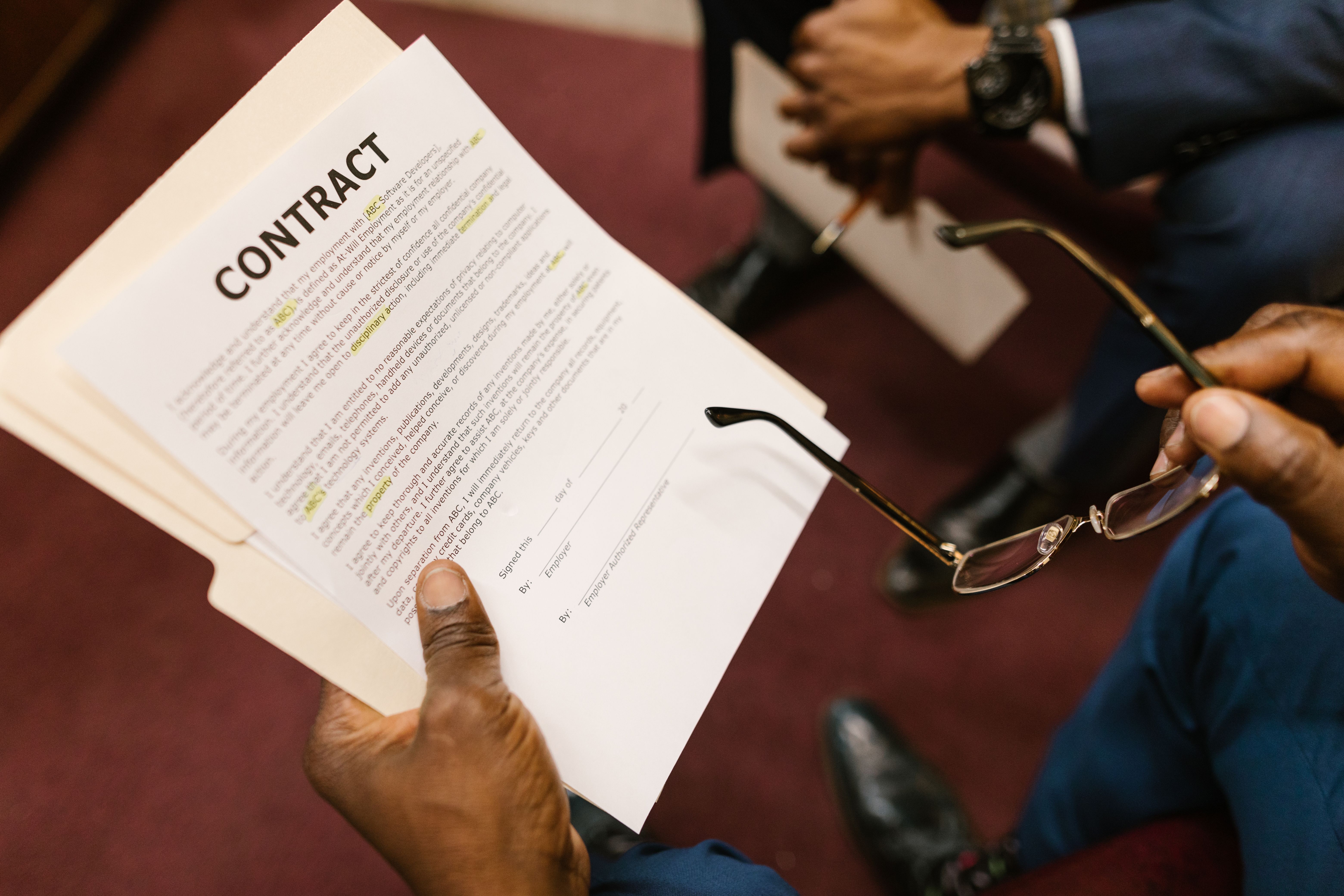
In the merchant cash advance (MCA) industry, funders spend thousands of dollars retaining legal counsel to draft pristine, ironclad agreements. These contracts meticulously incorporate non-discretionary reconciliation clauses, explicit purchase-of-receivables language, and indefinite repayment terms to ensure they withstand judicial scrutiny and avoid recharacterization as usurious loans.
However, a well-drafted MCA contract is only half the battle. When a defaulted merchant challenges an MCA in court, judges do not look solely at the paper; they look at the actual conduct of the parties. If a funder’s day-to-day operations contradict the written language of the contract, defense attorneys will use those operational habits to dismantle the agreement, recharacterize the transaction as an illegal, usurious loan, and eliminate the funder's ability to recover capital.
Key Takeaways
- Contracts Do Not Protect Bad Habits: Even the most meticulously drafted MCA agreement will fail in court if the funder’s daily operational conduct contradicts the contractual terms.
- Reconciliation Must Be Real: Stonewalling or ignoring legitimate merchant reconciliation requests is the fastest way to have a contract recharacterized as a usurious loan.
- Internal Communications Are Evidence: Informal texts or emails from collection staff demanding fixed payments regardless of revenue can be used by defense counsel to invalidate the entire advance.
The Legal Reality: Substance Over Form
Commercial courts in key legal jurisdictions (such as New York and New Jersey) evaluate whether an MCA agreement is a genuine purchase of future receivables or a disguised loan using a multi-factor test. While the contract text sets the baseline, courts consistently apply the doctrine of substance over form.
If the written contract says "true sale," but the funder acts like a lender demanding fixed, guaranteed repayments regardless of the merchant's actual revenue, the court will treat the transaction as a loan.
Common operational habits that ruin well-drafted contracts include:
- Ignoring or Stonewalling Reconciliation Requests: If a merchant submits proof of a genuine business slowdown and requests a contractually mandated reconciliation, ignoring their emails, stalling, or imposing unreasonable hurdles signals to the court that the daily remittance was never truly contingent on revenue.
- Treating Daily Remittances as Fixed Loan Payments: Demanding strict, unyielding daily ACH debits without enforcing the contractual mechanism to adjust payments down during slow periods destroys the "contingent risk" requirement essential to an MCA.
- Refusing to Terminate Payments Upon Genuine Bankruptcy or Business Closure: An MCA is a purchase of future receipts. If a business legitimately fails or files for bankruptcy and generates zero revenue, attempting to force personal guarantors to pay fixed daily amounts outside of specific bad-faith/fraud triggers signals a guaranteed debt obligation rather than a receivables purchase.
How Defense Attorneys Weaponize Operational Slips
When a funder files a lawsuit or seeks to enforce a confession of judgment or bank restraint, the merchant's defense attorney will immediately request all operational communications: emails, text messages, phone logs, and ACH attempt histories.
They are looking for evidence that proves the funder operated like an inflexible lender:
- Text Messages from Collections Staff: Aggressive text messages from internal collection teams saying, "You owe us $500 today no matter what your sales are," directly contradict the contract's reconciliation language.
- Lack of Operational Protocols: If a funder cannot show a clear internal workflow or dedicated email address for handling merchant reconciliation requests, courts may conclude that the reconciliation clause was merely "paper dressing" designed to evade usury laws.
How an MCA Attorney Helps Align Operations with Contract Language
A Merchant Cash Advance attorney does not just write contracts and walk away; they help establish and audit the operational protocols necessary to keep those contracts enforceable in court.
- Designing Bulletproof Reconciliation Workflows: Legal counsel helps funders draft clear, standardized operational steps for processing merchant reconciliation requests, ensuring staff respond promptly and document every adjustment.
- Staff Training for Compliance: Attorneys train collections and account managers on compliant communication practices, eliminating off-the-record statements that defense lawyers can use to prove usurious intent.
- Periodic Operational Audits: Legal teams periodically review sample account files to ensure that bank account monitoring, ACH pauses, and default notices align strictly with the contract terms and current case law.
Protect Your Portfolio: Align Your Operations with Legal Best Practices
A strong contract is only as effective as the operations behind it. Don't let improper collection habits or unmonitored workflows undermine your capital and leave your portfolio vulnerable to usury defenses.
At David I. Mizrahi Law, P.C., we provide comprehensive legal support for MCA funders, combining ironclad contract drafting with operational compliance strategies and aggressive recovery litigation.
Ensure Your MCA Operations Stand Up in Court | Speak directly with an experienced Merchant Cash Advance attorney today to audit your contracts and operational procedures.
Frequently Asked Questions
1. Why do courts look at a funder's conduct instead of just reading the contract?
Courts enforce the doctrine of "substance over form" to prevent parties from using clever drafting to mask illegal transactions. If the actual practice functions as a guaranteed loan with a fixed interest rate above state usury caps, judges will prioritize how the transaction was executed over what the paper says.
2. What happens if a court recharacterizes an MCA as a usurious loan?
If an MCA is deemed a usurious loan, the legal consequences can be catastrophic for the funder. In many jurisdictions, usurious contracts are void ab initio (from the beginning), meaning the funder loses the right to collect the balance and may even be ordered to disgorge (refund) all funds previously collected from the merchant.
3. How should a funder handle a merchant who requests a reconciliation?
Funders should immediately follow the exact protocol laid out in the agreement. Ask the merchant for the required financial records (e.g., recent bank statements or processor reports), evaluate the revenue change promptly, and adjust the daily remittance amount accordingly, documenting all communications in writing.
4. Can a funder still enforce personal guarantees if a merchant's business fails?
Yes, but only if the guarantee is properly structured and the failure is tied to specific contractual default triggers (such as intentional fraud, diversion of receivables, or unapproved stacking). If the business simply fails and the funder acted appropriately under a true-sale model, a standard performance guarantee cannot be turned into an unconditional payment guaranty without risking usury claims.
5. How often should an MCA funder review their operational workflows with legal counsel?
Funders should conduct an operational and contract review at least annually, or whenever significant shifts in state regulation (such as disclosure laws) or landmark court decisions occur in key funding jurisdictions like New York.