One late invoice is a scheduling slip. Three late invoices are a pattern, and a pattern is data you can act on.
Most businesses treat repeated late payments as an annoyance to manage rather than a signal to read. That's the costly mistake. By the time an account is 90 or 120 days out, you've usually lost the leverage you had at day 15. The customer has had months to prioritize other creditors, spend the cash elsewhere, or simply get used to not paying you.
The businesses that protect their revenue aren't the ones with the strictest terms; they're the ones who notice the pattern early and act on it deliberately before the account ever needs a collections debt attorney.
Key Takeaways
- Repeated late payments are a leading indicator of default, not a billing inconvenience.
- Leverage decreases the longer you wait to act at the pattern stage, not the crisis stage.
- Weak or vague credit terms make every later step harder to enforce.
- A written, realistic payment plan can save the relationship and the revenue.
- Escalating to a collections debt attorney early often costs less than waiting.
Why Repeated Late Payments Matter More Than They Seem
A single late payment tells you almost nothing. A second or third late payment tells you a lot: how this customer prioritizes creditors when cash gets tight and where you rank on that list.
That ranking matters because when a customer's cash flow tightens further, they don't stop paying everyone at once; they stop paying whoever pushes back the least. Industry research on late payments confirms this dynamic directly: when clients face overextension or poor cash flow planning, they tend to prioritize who gets paid first, and smaller or less assertive suppliers are often the ones left at the back of the line. If your business has a habit of quiet reminders and generous grace periods, you're teaching that customer where you sit.
Left unaddressed, this pattern compounds in two ways:
- It normalizes non-payment. Every cycle they pay late without consequence makes late payment the expected norm, not the exception.
- It quietly shifts risk onto you. You're effectively extending unsecured, interest-free credit to a customer who has already shown you they don't prioritize repaying it.
Step 1: Track the Pattern, Not Just the Balance
Don't just watch the aging report; watch the behavior behind it.
Specifically, track:
- Trigger dependency: Do they only pay after a reminder call or email? That's a sign payment has become discretionary, not routine.
- Drift: Is the delay getting longer each cycle (10 days late, then 20, then 35)? Drift is often the clearest early warning of a customer heading toward default.
- Excuse rotation: Are the reasons changing each time ("check's in the mail," then "waiting on our own client," then "system issue")? Rotating excuses usually mean the real reason isn't being shared.
A simple tracking log: due date, payment date, days late, and reason given turns a vague feeling of "They're always late" into evidence you can act on and evidence you can hand to an attorney later if needed.
Step 2: Audit Your Credit Terms and Billing Process
Before you can enforce anything, check what you're actually entitled to enforce.
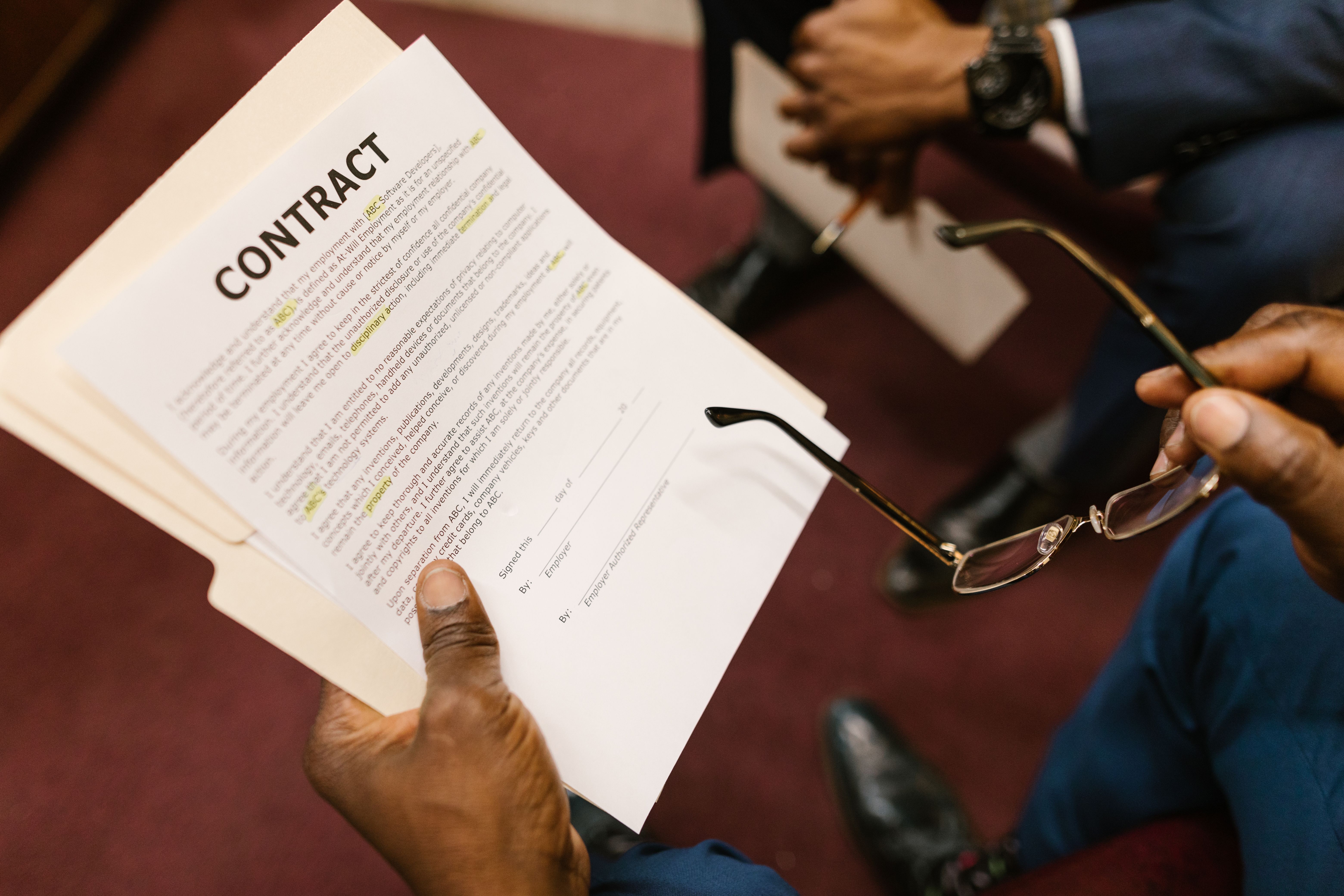
Pull the contract or credit agreement and confirm it clearly states the following:
- The due date and grace period, if any
- Late fees or interest charges, and the rate
- What constitutes default and what happens next
- Whether you retain any security interest or right to suspend service
If these terms are vague, undocumented, or buried in a purchase order no one signed, tighten them now for this account and for every new one going forward. A collections debt attorney can only push as hard as your paper trail allows.
At the same time, rule out a boring but common cause: your own billing process. Late or inconsistent invoices, unclear payment instructions, or confusion over who internally is responsible for approving payment can manufacture "late payments" that have nothing to do with the customer's finances. Fix that first; it's the cheapest problem to solve.
Step 3: Communicate Directly, Before You Escalate
Once the pattern is confirmed and your terms are solid, have a direct conversation, not another automated reminder.
Ask specifically:
- Is this a temporary cash flow issue or an ongoing one?
- Is there a billing or invoice dispute you haven't heard about?
- What date can they commit to, in writing?
This conversation does two things at once: it may surface a fixable problem (a dispute, a billing error), and it puts the customer on notice that you're watching the pattern, not just processing invoices.
The key discipline here is not letting a "friendly" relationship become an excuse for inaction. Gentle follow-up is a tool, not a strategy. If the same conversation repeats for three cycles with no change in behavior, that's your answer.
Step 4: Offer a Short-Term Plan — With Real Structure
If the customer is credible and simply cash-constrained, a structured short-term payment plan is often the fastest path to getting paid without burning the relationship or starting a formal collection case.
A plan that actually works has three features:
- It's in writing, signed or confirmed by email, not a verbal understanding.
- It has real dates and amounts, not "we'll catch up when we can."
- It has a consequence built in; for example, the full remaining balance becomes due immediately if a plan payment is missed.
Avoid the common trap of a plan that's too soft. If the new terms are easier to miss than the original invoice, you haven't solved anything; you've just delayed the same conversation by 60 days.
Step 5: Know Exactly When to Escalate
Escalation isn't a failure; it's a decision point you should define in advance, not one you improvise under pressure.
Clear signals it's time to involve a debt collections attorney:
- The customer misses a payment plan they agreed to in writing
- Communication goes quiet, or excuses stop being credible
- The customer promises payment repeatedly without following through
- The account crosses a threshold you've set in advance (e.g., 60 or 90 days, or a dollar amount that matters to your cash flow)
Waiting past these signals rarely buys you anything except a colder trail and a debtor who's had more time to prepare for non-payment.
How a Collections Debt Attorney Helps, Before It's a Full Collection Case
People often assume collections attorney involvement means litigation. In practice, it usually means something smaller and faster: a formal demand letter, a legal review of your contract's enforceability, and often a phone call from someone the debtor takes more seriously than another reminder from accounting.
A collections debt attorney can also:
- Confirm whether your credit terms are actually enforceable as written
- Document the account properly in case the debtor later disputes the debt or claims confusion
- Advise whether the pattern you've tracked supports faster legal action
- Preserve your options if the account does eventually require litigation
Involving an attorney early, while the paper trail is clean and the amount owed is still manageable, is almost always cheaper and faster than waiting until the account is severely overdue and adversarial.
The Bottom Line
Repeated late payments are not a minor operational headache; they're an early, readable signal of where an account is heading. The businesses that protect their cash flow are the ones that track the pattern, tighten their terms, communicate directly, offer structured (not soft) solutions, and know exactly when to bring in outside help.
If your business is dealing with a customer who keeps sliding past due dates, don't wait for the account to become a formal collection case. A collections debt attorney can review the pattern, strengthen your position, and help you get paid before more leverage slips away.
Frequently Asked Questions
1. Why are repeated late payments a warning sign?
They usually indicate a cash flow problem on the customer's side or that your invoice has slipped down their priority list, and repetition means it's becoming their normal behavior toward you, not a one-off.
2. Should businesses wait until an account is severely overdue to act?
No. Leverage decreases the longer an account goes unaddressed. Acting at the first sign of a pattern preserves more options, including softer ones like a payment plan, than waiting until the debtor is entrenched in non-payment.
3. Can a payment plan actually fix repeated late payments?
Yes, but only if it's realistic, written, and has a real consequence for missed payments. A vague or overly lenient plan usually just delays the same problem.
4. When should a collections debt attorney get involved?
As soon as a written payment plan is broken, communication stops being credible, or the account crosses a dollar or time threshold you've set in advance, not after months of unresolved back-and-forth.
5. What's the biggest mistake businesses make with chronic late payers?
Treating repeated lateness as routine. Once a customer learns that late payment carries no real consequence, the pattern rarely improves on its own.