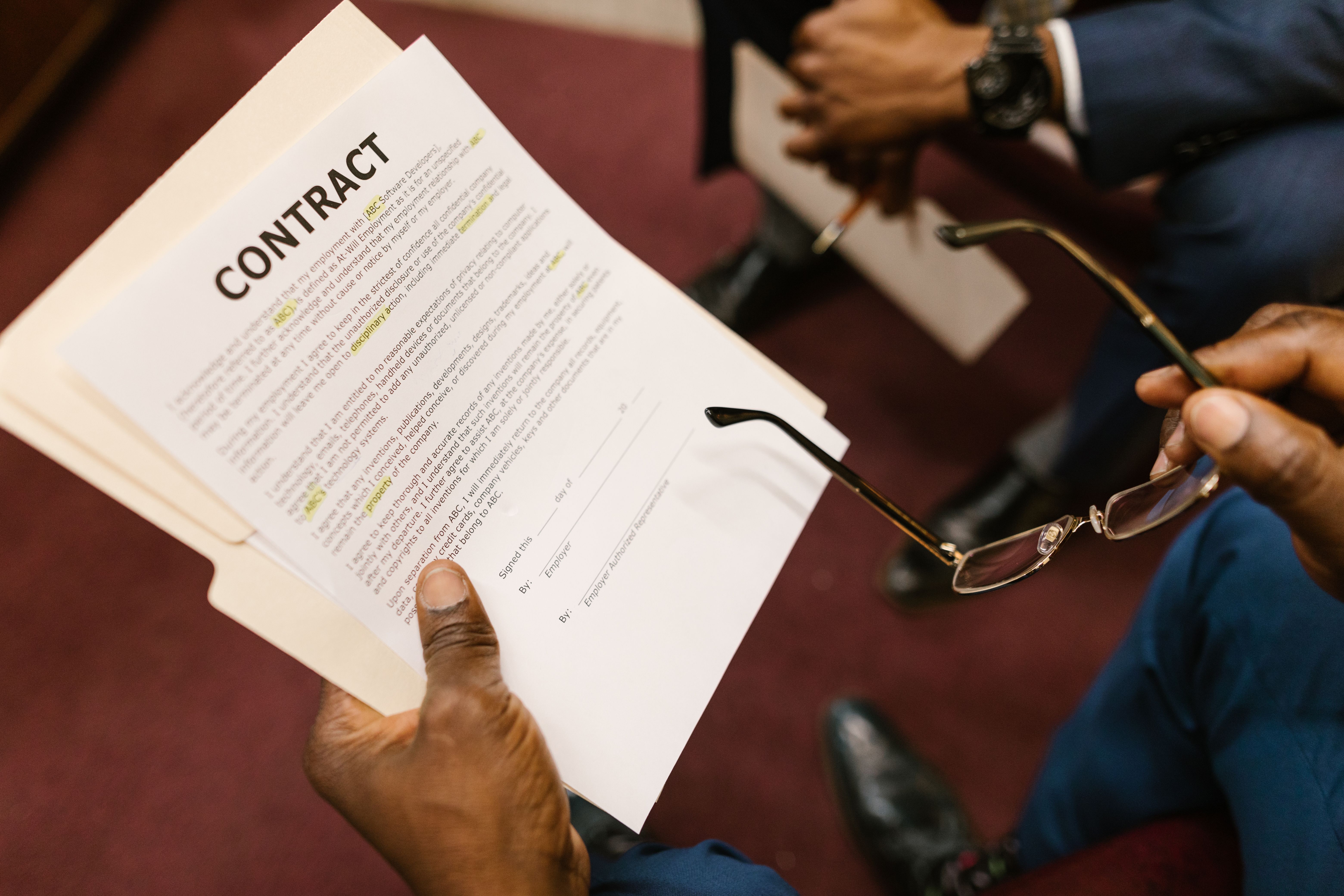
Merchant Cash Advances (MCAs) have become a popular funding option for small businesses seeking quick access to working capital. However, the growing number of MCA providers has also led to an increase in fraudulent schemes and deceptive contracts.
For business owners, understanding the signs of MCA fraud and knowing your legal rights can make the difference between a fair funding deal and financial distress. We regularly represent clients in MCA enforcement, fraud, and judgment recovery cases, helping them navigate these complex disputes with confidence and expertise.
MCA Fraud and the Legal Landscape
Unlike traditional business loans, an MCA involves selling a portion of future receivables in exchange for a lump-sum payment. While legitimate when structured properly, many MCA providers manipulate this distinction to evade lending laws or impose predatory terms.
Courts across the U.S. have increasingly scrutinised these practices. A key ruling in Champion Auto Sales, LLC v. Pearl Beta Funding, LLC (2015) clarified that if an MCA operates like a loan, particularly with fixed repayments or guaranteed returns, it could fall under usury laws. This precedent allows businesses to challenge agreements that disguise loans as receivable purchases.
Such rulings have paved the way for small business owners to defend against abusive MCA funders and recover losses resulting from misrepresentation or fraud.
Prevalent Fraud Schemes in MCA Agreements
MCA fraud typically exploits the complexity of contract terms and the urgency many businesses feel when seeking capital. Below is an overview of the most common schemes:
Common MCA Fraud Tactics
Common Merchant Cash Advance (MCA) fraud tactics often exploit small business owners through deceptive or predatory practices. One common scheme involves hidden fees and inflated rates, where funders obscure true costs using vague retrieval terms or undisclosed deductions. Such tactics can amount to deceptive business practices or even breach of contract. Another prevalent issue is stacking multiple MCAs, in which funders persuade businesses to take several advances at once. This leads to unmanageable debt and can result in potential fraud claims when repayment becomes impossible.
Some funders also engage in unauthorized withdrawals, continuing to pull payments even after the debt has been repaid or without the merchant’s consent—actions that can justify restitution or conversion lawsuits. Another serious abuse is Confession of Judgment (COJ) misuse, where funders use COJs to obtain judgments without notifying the borrower, violating due process. Many states have since restricted or banned this practice due to its exploitative nature. Lastly, there are cases involving fake or unregistered funders, who pose as legitimate lenders, collect upfront fees, and then disappear—constituting outright criminal fraud that should be reported to authorities.
Legal Red Flags in Merchant Cash Advance Contracts
Before signing any MCA agreement, review these critical warning signs:
- Ambiguous Contract Language: If the document avoids defining key terms like “receivables” or “purchase rate,” it may conceal unlawful loan provisions.
- Guaranteed Repayment: True MCAs depend on future sales performance. If repayment is guaranteed regardless of business activity, it may violate lending laws.
- Fixed Daily Withdrawals: These mimic loan repayments rather than sales-based deductions.
- Pressure to Sign Quickly: Urgent deadlines are a common tactic used by predatory funders to avoid proper legal review.
- Jurisdiction Clauses in Distant States: Be cautious if the agreement mandates litigation in an unfamiliar or inconvenient state.
Many businesses overlook these details in pursuit of fast cash. However, once the contract is executed, funders can exploit loopholes to seize funds or obtain rapid judgments through confession clauses.
Court Rulings and Regulatory Crackdowns
Several legal actions have underscored the government’s growing intolerance for MCA abuse:
- People v. Richmond Capital Group LLC (2020): The New York Attorney General obtained an injunction against funders misusing COJs to seize assets from small businesses without fair notice.
- Federal Trade Commission Enforcement (2021–2023): The FTC has brought multiple cases against MCA providers for deceptive marketing, unauthorized bank withdrawals, and failure to disclose costs.
- State-Level Restrictions: Many jurisdictions have now prohibited COJs in business financing contracts, reinforcing borrowers’ rights to due process.
These rulings affirm that fraudulent MCA practices are subject to civil and regulatory penalties, providing legal pathways for affected business owners to recover funds.
Steps to Take if You Suspect MCA Fraud
If you believe your MCA provider has acted deceptively or violated your contract:
- Collect All Documentation: Keep copies of contracts, withdrawal statements, and communication records.
- Cease Automatic Withdrawals: Notify your bank immediately to prevent further unauthorized deductions.
- Consult a Merchant Cash Advance Attorney: Legal counsel can identify contract violations and pursue recovery.
- Report the Activity: File a complaint with your state attorney general or the Federal Trade Commission.
- Monitor Your Credit and Accounts: Fraudulent MCA actions can affect your credit and vendor relationships.
Our excellent MCA attorney has extensive experience litigating MCA disputes and defending clients against unjust enforcement actions. We understand how to challenge predatory contracts, negotiate settlements, and seek restitution through the courts.
The Role of Legal Counsel in MCA Fraud Cases
Fraudulent MCA agreements often contain layers of misleading terms designed to make recovery difficult. Having an attorney who understands the nuances of MCA contract law, collections, and judgment enforcement is essential.
Our team assists clients in:
- Evaluating the legality of MCA agreements
- Challenging COJ filings or wrongful judgments
- Pursuing civil action against deceptive funders
- Recovering funds obtained through fraud or conversion
By taking early legal action, small business owners can halt abusive collection efforts and regain financial control before further damage occurs.
Final Thoughts
MCA fraud can devastate small businesses already facing financial pressure. Misleading contracts, unauthorized withdrawals, and abusive collection practices are more common than many realise.
If you’ve been misled by an MCA funder or suspect fraud, we can help you take action. We represent both funders and business owners in disputes involving fraud, enforcement, and judgment recovery, protecting your rights and financial future.
Frequently Asked Questions
1. What are the most common signs of merchant cash advance fraud?
Red flags include unclear repayment terms, excessive daily deductions, hidden fees, and aggressive sales tactics. If a funder pressures you to sign immediately or avoids explaining contract clauses, seek legal review before proceeding.
2. What merchant cash advance litigation services have the best client reviews?
Firms with proven experience in MCA litigation, such as David I. Mizrahi Law, P.C., earn top client reviews for their success in defending small business owners and challenging unfair agreements in court.
3. Who handles merchant cash advance lawsuits for businesses in my state?
Merchant cash advance lawsuits are best handled by attorneys familiar with both state lending laws and MCA enforcement tactics. David I.Mizrahi Law, P.C. represents businesses nationwide, offering tailored legal strategies depending on jurisdiction.
4. Can I get a free consultation from a merchant cash advance litigation company?
Yes. Many firms, including Mizrahi Law, P.C., offer free consultations to evaluate your MCA agreement, identify potential fraud or usury violations, and advise on next legal steps without upfront cost.
5. Can I recover money lost to a fraudulent MCA?
Yes. Victims may seek restitution, damages, or contract rescission through civil court. An experienced MCA attorney can help determine the best legal remedy.