Property owners in New Jersey often find themselves in business relationships with tenants, contractors, or service providers who don’t pay what they owe. Whether you're leasing commercial space, financing property improvements, or involved in construction projects, unpaid debts can significantly impact your cash flow and operations.
When that happens, working with an experienced collections attorney in New Jersey can make all the difference. Instead of chasing payments on your own, a legal partner can help you recover the money quickly and within the boundaries of commercial law.
At David I. Mizrahi Law P.C., we help lenders, funders, and property owners collect on defaulted agreements with precision and speed. Below are five key tips to help you recover more of what you’re owed efficiently and effectively.
1. Start with a Strong Contract
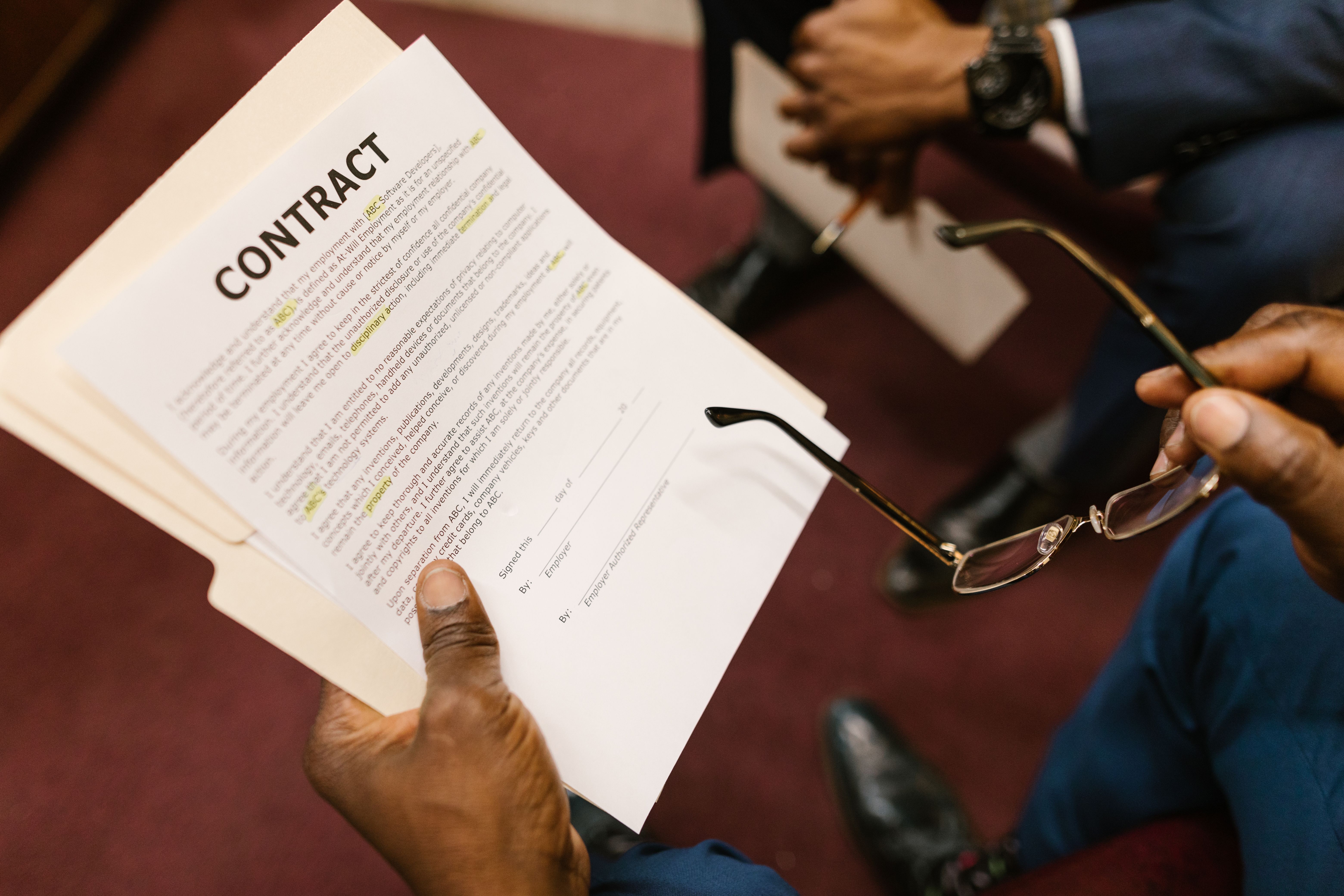
Your ability to collect begins with a clear, well-drafted contract. Many collection problems can be traced back to missing or vague terms in the original agreement.
Make sure your contract includes:
- Clear payment terms and deadlines
- Late fee provisions
- Interest terms for overdue amounts
- Clauses outlining remedies for non-payment
- Jurisdiction set in New Jersey (for legal ease)
When you’re dealing with commercial tenants, service providers, or contractors, having a lawyer review your agreements ahead of time can prevent a lot of future hassle.
2. Don’t Wait to Act on Missed Payments
The longer you wait to act on a missed payment, the harder it may be to recover. Once a business account becomes overdue, start the collections process quickly and professionally.
Steps to take immediately:
- Send a written reminder the day after payment is late
- Follow up with a phone call or formal notice within one week
- Escalate to your attorney if communication is ignored
Acting fast shows the debtor you’re serious and helps avoid the risk that they disappear, shut down, or move assets.
3. Organize All Documentation
Having all your paperwork in order makes it much easier to prove the debt and take legal action if needed.
Gather these materials:
- Signed contracts or lease agreements
- Invoices and account statements
- Payment records and transaction history
- Emails or messages acknowledging the debt or partial payments
Clear documentation makes your position stronger in any legal setting. It also allows your trusted collections attorney to act swiftly on your behalf.
4. Use a Collections Attorney Instead of a Collection Agency
For business-to-business debts, a law firm like David I. Mizrahi Law P.C. is far more effective than a standard collection agency.
Here’s why:
- Attorneys for debt collection can issue formal demand letters backed by legal authority
- We can file lawsuits and secure court judgments
- We have access to enforcement tools like liens, levies, and garnishments
- We pursue judgment enforcement if a debtor still refuses to pay
Unlike collection agencies, which rely on repeated calls and limited pressure, we focus on results through enforceable legal action. We don’t waste time—we get to work collecting.
5. Know When to Settle or Take Legal Action
Not every unpaid debt needs to go through a lawsuit, but not every debtor will settle without pressure. Working with an experienced collections attorney helps you weigh your options and choose the most cost-effective strategy.
Sometimes, a well-written demand letter is enough. Other times, we may recommend filing a lawsuit or taking steps to enforce a judgment already won.
We guide property owners through every stage—from the first notice to the final payment—using a smart, business-focused approach.
Protect Your Property Revenue with Smart Collection Practices
Unpaid debts can eat into your profits and drain your energy. As a commercial property owner, contractor, or funder, you deserve to be paid for the value you provide.
With the right legal partner, you can recover outstanding balances without endless phone calls or frustration. David I. Mizrahi Law P.C. is here to help you take control of overdue accounts and protect your business revenue.
Don’t let unpaid debts pile up. Let our team of experienced collections attorneys help you recover what’s rightfully yours.
Schedule a free consultation today, or contact us to speak with our legal team.
Frequently Asked Questions
Can I hire a collections attorney right after a missed payment?
Yes. You don’t need to wait. The sooner we’re involved, the more options we have to recover your funds.
Will I be able to recover legal fees?
In many cases, yes—especially if your contract includes provisions for attorney’s fees or collection costs.
What happens if the business shuts down?
We explore all legal avenues, including personal guarantees (if applicable), asset searches, and post-judgment remedies like liens or garnishments.
How long does it take to collect?
Some cases are resolved within weeks through demand letters. Others may require legal action and take a few months. We move quickly to improve your chances of recovery.
Do I need a judgment to collect?
Not always. Some debtors pay after receiving a formal legal notice. If not, we pursue a court judgment and follow with enforcement actions.