Summary
Judgment recovery services help commercial creditors and funders convert court-awarded judgments into actual financial recovery through structured legal enforcement strategies designed to locate assets and compel repayment.
Winning a lawsuit represents an important legal victory, but for commercial creditors and funders, it is often only the beginning of the recovery process. Many businesses discover that even after obtaining a court ruling, debtors may delay payment, hide assets, or ignore financial obligations altogether.
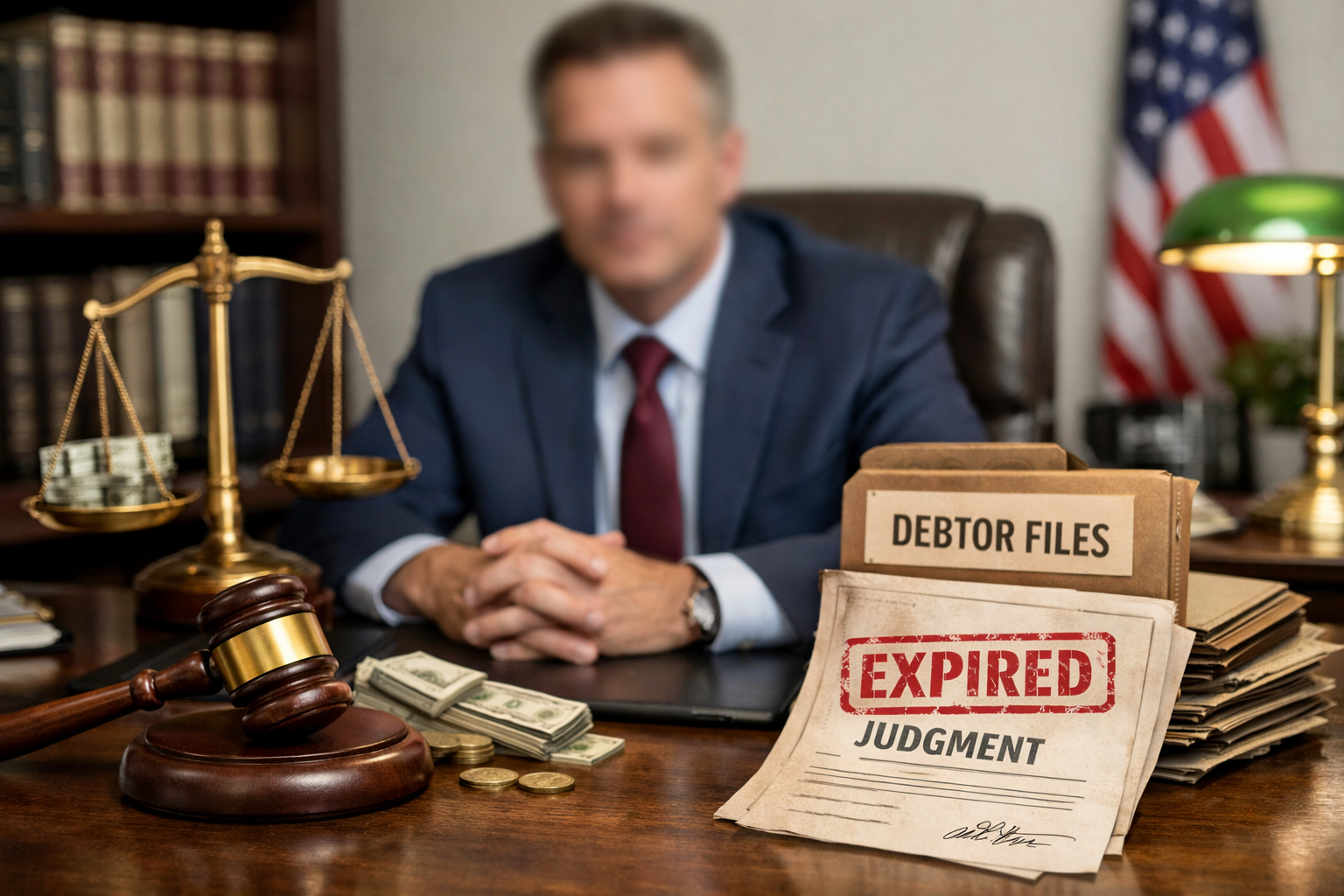
This is where judgment recovery services become essential. These services focus on transforming court-awarded debt into collected funds through legally authorized enforcement actions. For lenders, financing companies, and commercial businesses, effective recovery ensures that litigation efforts translate into real financial results rather than unpaid judgments sitting idle.
Without structured recovery efforts, outstanding balances can continue disrupting operations and weakening portfolio performance.
What Happens After a Creditor Wins in Court?
Obtaining a judgment confirms legal liability but does not automatically produce payment. Courts determine responsibility for repayment, yet enforcement responsibility typically falls on the creditor.
Debtors may fail to voluntarily comply even after losing a case. In these situations, a post-judgment attorney initiates recovery actions that move beyond litigation and into enforcement. Legal professionals evaluate available recovery options, investigate debtor financial activity, and begin structured collection procedures.
Understanding this post-litigation phase is critical because delays often reduce the likelihood of successful recovery.
How Judgment Recovery Protects Commercial Cash Flow
Judgment recovery allows creditors to convert unpaid legal awards into usable business capital. Commercial lenders and funders depend on predictable repayment cycles to maintain liquidity and operational stability.
When judgments remain unpaid, businesses face restricted cash flow and increased financial exposure. Strategic judgment recovery efforts help restore financial balance by pursuing available repayment sources while maintaining lawful compliance.
Consistent recovery practices also reinforce contractual accountability, helping creditors protect future financing relationships and portfolio performance.
Legal Tools Used in the Enforcement of Judgment Process
The enforcement of judgment process provides legal mechanisms that allow creditors to pursue debtor assets. These tools are designed to compel payment when voluntary compliance fails.
Common enforcement actions may include:
- Asset restraints
- Financial account inquiries
- Income-related recovery procedures
- Property-related claims
- Structured repayment negotiations
Proper enforcement of judgment requires strict adherence to procedural rules and timelines. Experienced legal guidance ensures enforcement actions remain effective while avoiding procedural errors that could delay recovery.
The Role of a Judgment Lien Attorney in Asset Protection
A judgment lien attorney secures creditor rights by placing legal claims against debtor-owned property. Liens prevent debtors from freely transferring or selling assets without addressing outstanding obligations.
Businesses often search for a judgment lien attorney near me when debtors possess real estate or valuable property interests. Establishing liens strengthens creditor leverage and preserves recovery opportunities over time.
This approach allows creditors to maintain long-term collection rights while positioning themselves ahead of competing claims.
Why Professional Judgement Enforcement Improves Recovery Success
Structured judgment enforcement increases repayment likelihood by applying coordinated legal pressure. Professional enforcement strategies combine investigation, negotiation, and lawful collection procedures.
Debtors are significantly more likely to resolve obligations when formal enforcement actions begin. Attorneys identify financial pathways that creditors may not independently access, improving efficiency throughout the recovery process.
Professional enforcement also reduces compliance risks while ensuring recovery efforts align with applicable commercial collection laws.
Special Considerations for Judgment Enforcement in New York
Judgment enforcement in New York involves unique procedural requirements that demand careful legal execution. State-specific rules govern timelines, filings, and permissible recovery actions.
Creditors pursuing judgment enforcement in New York must comply with detailed statutory processes that regulate asset restraint and recovery procedures. Creditors must follow procedural rules established by the New York State Unified Court System when pursuing enforcement actions after obtaining a court judgment. Failure to follow these requirements may delay enforcement or weaken recovery opportunities.
For commercial creditors operating within New York’s complex financial environment, experienced legal oversight ensures enforcement actions proceed efficiently and lawfully.
When Commercial Creditors Should Engage Judgment Recovery Services
Creditors should engage recovery services immediately when voluntary repayment efforts fail. Waiting too long may allow debtors to restructure finances or move assets beyond reach.
Warning signs include:
- Ignored payment demands
- Broken settlement promises
- Sudden financial opacity
- Continued business operations without repayment
Early intervention improves recovery outcomes by preserving enforcement opportunities and preventing asset dissipation.
Conclusion
Securing a court judgment is only one step toward resolving commercial debt disputes. Without proactive enforcement, creditors risk holding legally valid yet financially ineffective judgments.
Professional recovery strategies allow funders and commercial creditors to move forward with confidence, ensuring unpaid obligations are actively pursued through lawful means. By working with experienced legal professionals, businesses can transform litigation success into measurable financial recovery.
Engaging trusted judgment recovery professionals helps creditors protect investments, maintain cash flow stability, and reinforce accountability across commercial transactions.
Frequently Asked Questions
What are judgment recovery services?
Judgment recovery services focus on collecting court-awarded debts through legal enforcement actions. These services help creditors locate assets and pursue repayment after litigation concludes.
How long does post-judgment recovery take?
Recovery timelines vary depending on debtor assets and cooperation levels. Some matters resolve quickly, while others require extended enforcement efforts.
Can creditors recover payment years after a judgment?
Yes, many judgments remain enforceable for extended periods depending on jurisdiction. Proper enforcement actions can preserve recovery rights over time.
Why hire a post-judgment attorney?
Attorneys understand enforcement procedures and asset discovery methods unavailable to most creditors. Legal representation improves efficiency and compliance throughout recovery.
Are enforcement procedures different in New York?
Yes, New York applies specific statutory rules governing enforcement actions. Professional legal guidance ensures creditors follow proper procedures.








.jpg)





.jpg)



.jpg)