November 20, 2026
test

Obtaining a money judgment is a critical legal milestone, yet an unpaid judgment does not automatically reveal where a commercial debtor holds its cash. When a defaulting business or guarantor closes its original operating account, switches merchant processors, or spreads funds across multiple banking institutions, collection stalls until the creditor locates reachable assets.
In New York, the CPLR § 5224 Information Subpoena is one of the fastest, most cost-effective post-judgment discovery tools available to MCA funders and commercial creditors. Unlike formal depositions that require scheduling in-person testimony, an information subpoena compels written answers under oath, allowing a judgment enforcement attorney to trace commercial bank accounts, credit card processors, accounts receivable, and insider transfers so targeted restraints and levies can follow immediately.
Authorized under Article 52 of the New York Civil Practice Law and Rules (CPLR § 5223 and § 5224), an information subpoena is a post-judgment discovery instrument issued by an attorney for the judgment creditor. It delivers a structured set of written questions accompanied by a copy of the original questions and a prepaid return envelope, compelling the recipient to provide sworn written responses.
Statutory Compliance Rule: When serving an information subpoena on a third party (any person or entity other than the judgment debtor), New York law requires a signed certification confirming that the creditor or attorney has a reasonable belief formed after reasonable inquiry that the recipient holds relevant information about the debtor. Without that certification, a third-party information subpoena is legally null and void.
Key Mechanics of a New York Information Subpoena:
Evasive commercial debtors rarely leave money sitting in the same checking account listed on an original funding application or credit agreement. Judgment attorneys use targeted subpoenas across multiple nodes of the debtor's financial footprint to map where revenue actually flows.
Even if a debtor closed its primary bank account after default, historical bank records often reveal where closing balances were wired or which external accounts initiated ACH transfers.
Retail, hospitality, e-commerce, and service businesses depend on daily card and digital settlements. Even when a business opens a new bank account, its merchant processor holds exact records of the new settlement routing and account numbers.
Commercial businesses leave verifiable paper trails with the counterparties they pay or collect from every month.
When enforcing a commercial judgment, sequencing matters. Serving the debtor first can alert an uncooperative principal to drain accounts before a bank restraint arrives.
An information subpoena gathers intelligence; it does not transfer money by itself. Once sworn answers confirm active commercial bank accounts or third-party receivables, judgment enforcement counsel moves immediately into execution:
An unpaid judgment should not sit idle while a debtor continues operating through undisclosed bank accounts. Strategic post-judgment discovery under CPLR § 5224 gives commercial creditors and MCA funders the visibility needed to freeze liquid funds and enforce recovery.
David I. Mizrahi Law, P.C. represents MCA funders, lenders, and commercial creditors throughout New York in post-judgment asset discovery, CPLR § 5224 information subpoenas, bank account restraints, and judgment execution.
No. An information subpoena compels sworn written answers about assets and accounts under CPLR § 5224, whereas a CPLR § 5222 restraining notice legally freezes the funds. In commercial collections, attorneys frequently serve both documents together on a bank so the account is frozen while account details are confirmed.
Under CPLR § 5224(a)(3), the recipient must return written answers under oath within seven days after receiving the subpoena by registered or certified mail.
Yes. Under New York post-judgment disclosure rules (CPLR § 5223 and § 5224), third-party information subpoenas do not require prior notice to the judgment debtor, allowing creditors to verify bank accounts and payment processors before the debtor can move funds.
Failure to comply with a validly served information subpoena is punishable as contempt of court under CPLR § 2308(b), and false swearing under oath is punishable as contempt under CPLR § 5251. A judgment attorney can file a motion to compel compliance, seek monetary sanctions, and pursue arrest warrants for willful non-compliance.
Providing the docketed judgment, the underlying contract or funding application, prior ACH/bank details, known merchant processors, and any customer or vendor records allows a New York judgment attorney to build the reasonable-belief foundation needed for immediate third-party subpoenas.

Commercial creditors and MCA funders can defeat motions to vacate default judgments in New York by proving valid service, exposing missing reasonable excuses or meritorious defenses under CPLR § 5015 and § 317, and resisting blanket stays of post-judgment bank restraints.

When a merchant unilaterally revokes ACH authorization or switches bank accounts, New York MCA funders can pursue immediate breach-of-contract remedies, UCC § 9-607 receivables interception, guarantor liability, and expedited litigation to protect their recovery.
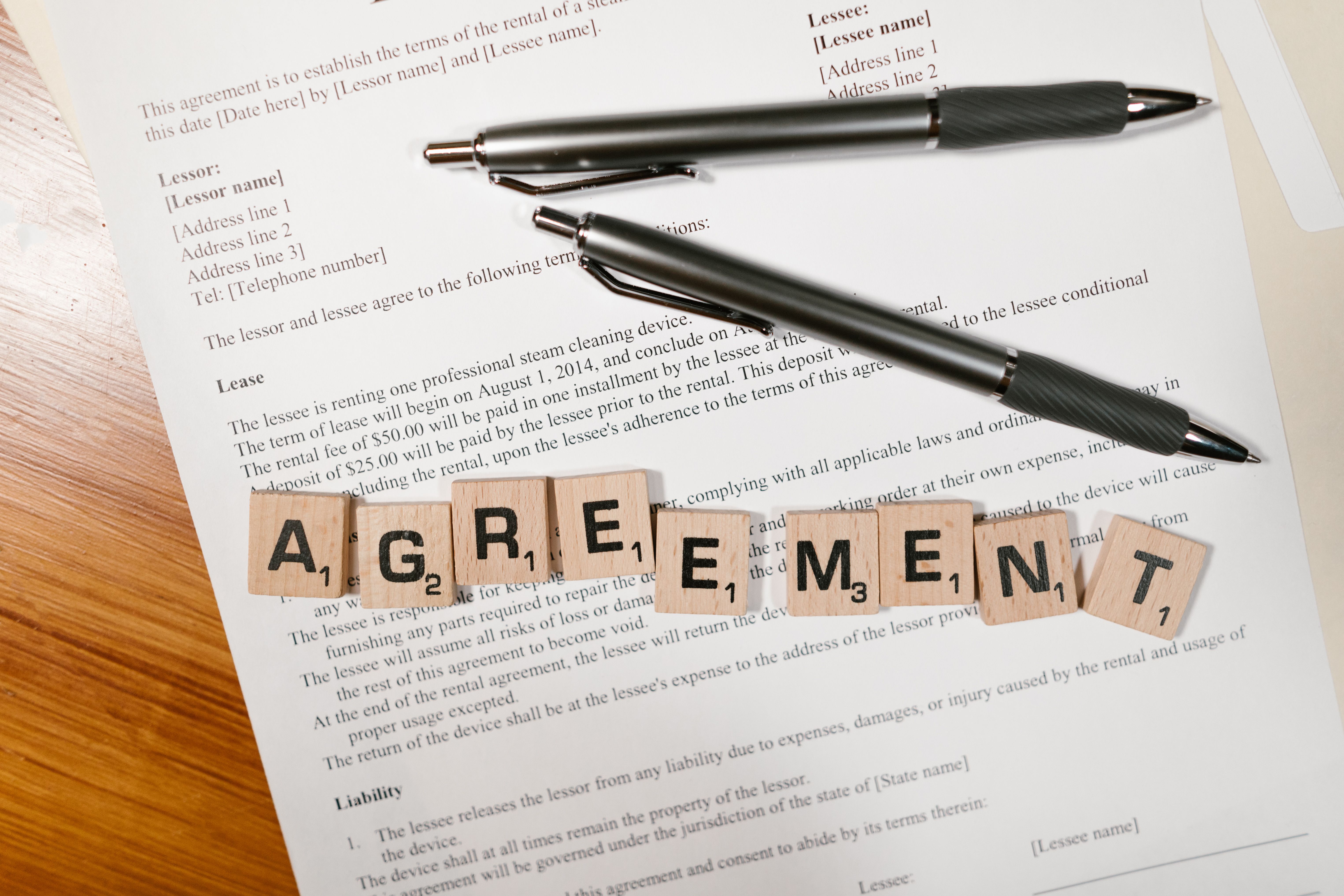
Well-drafted syndication and participation agreements protect MCA funders by establishing clear enforcement control, transparent recovery waterfalls, and enforceable risk allocation before a merchant defaults.

By issuing strategically targeted CPLR § 5222 Restraining Notices and strictly adhering to updated Exempt Income Protection Act (EIPA) threshold rules, judgment enforcement attorneys can instantly freeze debtor bank accounts without risking court sanctions or vacated levies.

When a defaulting debtor shuts down and reopens under a new corporate identity to evade collection, judgment attorneys use successor liability claims to attach the new entity's assets and recover what is owed.

By combining pre-signed UCC acknowledgments, direct enforcement rights under UCC § 9-607, and perfected security priority, MCA funders can convert paper UCC liens into liquid cash and defeat competing secondary stackers post-default.

By embedding exclusive jurisdiction, percentage-based attorney’s fee, post-default financial reporting, and UCC § 9-607 account interception clauses directly into the agreement, MCA funders can establish immediate legal leverage and accelerate post-default recovery.

Even the most meticulously drafted merchant cash advance contract will fail in court if a funder’s day-to-day operational habits, collection communications, and handling of reconciliation requests contradict the written terms.

By embedding robust representations, warranties, and intent provisions directly into merchant cash advance agreements at inception, funders can preemptively protect capital and establish clear grounds for recovery against bad-faith merchants.

Providing a New York judgment attorney with the judgment, debtor information, payment history, asset details, prior collection records, and underlying contracts can create a clearer foundation for evaluating judgment recovery options.

A New York restraining notice can help judgment creditors prevent certain transfers of a debtor's property or funds while pursuing lawful judgment recovery and other post-judgment enforcement remedies.
A perfected UCC-1 can help secured creditors pursue a merchant’s bank accounts and receivables after default through targeted enforcement and collection efforts.

A UCC lien only protects you if it's enforced — here's how our MCA collections attorney turns a filed lien into actual recovered funds before a defaulting merchant can move assets out of reach.

Before deploying your first dollar as a new MCA funder, here's the contract package purchase agreement, guaranty, UCC-1, and default provisions our merchant cash advance lawyers say you can't afford to skip.

Renegotiating an MCA deal after a merchant default can strengthen your recovery odds or quietly undercut your enforcement rights, here's how our MCA lawyers structure amendments to keep your agreement airtight.

This guide outlines seven essential evaluation questions to help MCA funders choose a dedicated debt recovery lawyer who can enforce contracts, defeat borrower defenses, and seize assets through court-backed recovery tools.

This article outlines the five judicial enforcement tools including UCC lien execution, pre-judgment asset freezes, subpoenas, direct litigation, and bank levies that give an MCA collections attorney far greater recovery power than a standard collection agency.

What happens when MCA co-funders can't agree on litigation, settlement, or timing after a merchant default and how a New York MCA lawyer helps resolve it.

As merchant cash advance defaults climb, more funders are bringing in a merchant cash advance attorney earlier in the collections process to protect recovery rates before assets and receivables are claimed by competing creditors.

Enforcing a judgment in New York involves a defined sequence of legal steps, from properly filing and docketing the judgment to locating assets and ultimately securing payout, and understanding each stage helps judgment creditors avoid unnecessary delays

Judgment enforcement timelines vary widely depending on factors like debtor assets, jurisdiction, and the collection method used, making it essential to understand what drives delays before pursuing collection.

A merchant cash advance is legally a purchase of future receivables, not a loan — and that distinction can hide serious risks a merchant cash advance attorney should catch before you sign.

What Happens When a Business Can't Keep Up With MCA Payments And How a Merchant Cash Advance Attorney Can Help

Repeated late payments are an early warning sign of a bigger cash flow problem — the earlier you track the pattern, tighten your terms, and escalate to a collections debt attorney if needed, the more leverage you keep and the better your chances of getting paid without a formal collection case.
An effective business collection demand requires precise debt calculations, concrete contract evidence, and firm legal deadlines to create immediate leverage and compel defaulting debtors to pay before litigation begins.

This article explains why judgment enforcement for debt often fail and what creditors can do to improve their chances of recovery.

This article explains which assets creditors may pursue after a New York judgment is entered and why legal strategy matters in post-judgment collection.

This section explains the first items a debt collections attorney needs, including contracts, invoices, timelines, demand letters, payment records, and written communications.

This article explains the first documents a debt collections attorney needs, including contracts, invoices, payment history, demand letters, and communications, to build a stronger collections for debt recovery strategy.