November 20, 2026
test

In merchant cash advance (MCA) transactions, Automated Clearing House (ACH) remittances are the primary mechanism through which a funder collects its purchased percentage of future business receivables. When a merchant abruptly places a stop-payment order, revokes ACH debit authorization with its bank, or closes the designated operating account without notice, cash flow halts overnight.
For MCA funders and commercial financing providers, an unexcused ACH block is rarely an isolated administrative glitch; it is often an early warning sign of cash diversion, unauthorized stacking, or intentional contract avoidance. Under New York law, however, cutting off automated bank debits does not extinguish the merchant's underlying contractual obligations. When properly structured and enforced, MCA agreements give funders decisive legal remedies to declare default, intercept receivables, pursue guarantors, and move toward judgment recovery.
Under NACHA operating rules and commercial banking procedures, a business bank will generally honor its customer's instruction to block or revoke an ACH debit authorization. Merchants sometimes assume that because a bank processes the stop-payment request, the obligation to remit purchased receivables is suspended.
In reality, banking permissions and contractual obligations are separate legal issues. A commercial MCA agreement grants the funder a contractual right to collect an agreed share of future receipts from a designated bank account until the purchased amount is delivered.
Core Legal Distinction: Revoking ACH access at the bank stops the collection mechanism, not the contractual duty. When a merchant continues generating revenue while blocking the funder's designated debit channel or routing deposits into an undisclosed bank account, the merchant commits an actionable breach of contract.
Common ACH Interference Tactics Include:
When an ACH block occurs, waiting weeks for voluntary cooperation often gives an evasive merchant time to dissipate cash or take on stacked advances. New York MCA attorneys rely on a coordinated sequence of contractual, statutory, and judicial remedies to protect the funder's position.
Well-drafted MCA contracts designate unauthorized ACH revocation, bank account changes without prior notice, and diversion of receivables as explicit Events of Default.
When a funder has perfected its security interest through a timely UCC-1 financing statement, an ACH block opens the door to direct secured-creditor remedies.
Although an MCA is structured as a commercial purchase of future receivables rather than a personal loan, principals typically execute a performance guarantee covering specific bad-faith acts, including intentional interference with ACH debits, diversion of receipts, or unauthorized account closures.
If demand notices and UCC enforcement do not resolve the default, filing suit in New York Supreme Court (where permitted by the contract's forum selection clause) positions the funder for summary judgment and post-judgment enforcement.
New York courts closely scrutinize MCA agreements when merchants raise usury or disguised-loan defenses. How a funder responds in the days immediately following an ACH return can strengthen or weaken its litigation posture:
An unauthorized ACH revocation is a direct threat to an MCA funder's contracted return, but New York commercial law provides strong tools to hold defaulting merchants and guarantors accountable. Fast, well-documented legal action turns a blocked debit into enforceable collection leverage.
David I. Mizrahi Law, P.C. represents MCA funders and commercial creditors across New York in contract enforcement, UCC remedies, commercial litigation, and post-judgment asset recovery.
Yes, in nearly all commercial MCA agreements, unilaterally revoking ACH authorization, placing stop-payment orders, or closing the designated bank account without prior written consent constitutes an Event of Default that entitles the funder to pursue legal remedies.
An NSF (Insufficient Funds) return means the account lacked enough balance on the debit date, which may prompt a reconciliation review if revenue declined. An ACH revocation or stop-payment code indicates the merchant actively instructed its bank to block authorized debits, signaling intentional contractual interference.
Yes. Opening a new bank account to divert receivables breaches standard MCA covenants. Funders can pursue UCC § 9-607 enforcement against payment processors, enforce personal performance guarantees, and obtain a court judgment to restrain and levy the new commercial bank accounts.
Most MCA performance guarantees specifically hold principals liable when the merchant interferes with collection, such as blocking ACH debits, changing bank accounts without permission, or diverting receivables away from the funder.
Immediately upon confirming an unauthorized stop-payment or account closure. Rapid legal escalation allows counsel to serve formal default notices, enforce UCC-1 rights before other creditors step in, and initiate litigation while business assets and receivables are still traceable.
Would you like to tackle another topic from your list next, or create a text-free featured image prompt for this post?

Using CPLR § 5224 information subpoenas, New York judgment attorneys compel sworn financial disclosures from commercial debtors, banks, payment processors, and third parties to locate hidden accounts and pair discovery with immediate bank restraints.

Commercial creditors and MCA funders can defeat motions to vacate default judgments in New York by proving valid service, exposing missing reasonable excuses or meritorious defenses under CPLR § 5015 and § 317, and resisting blanket stays of post-judgment bank restraints.
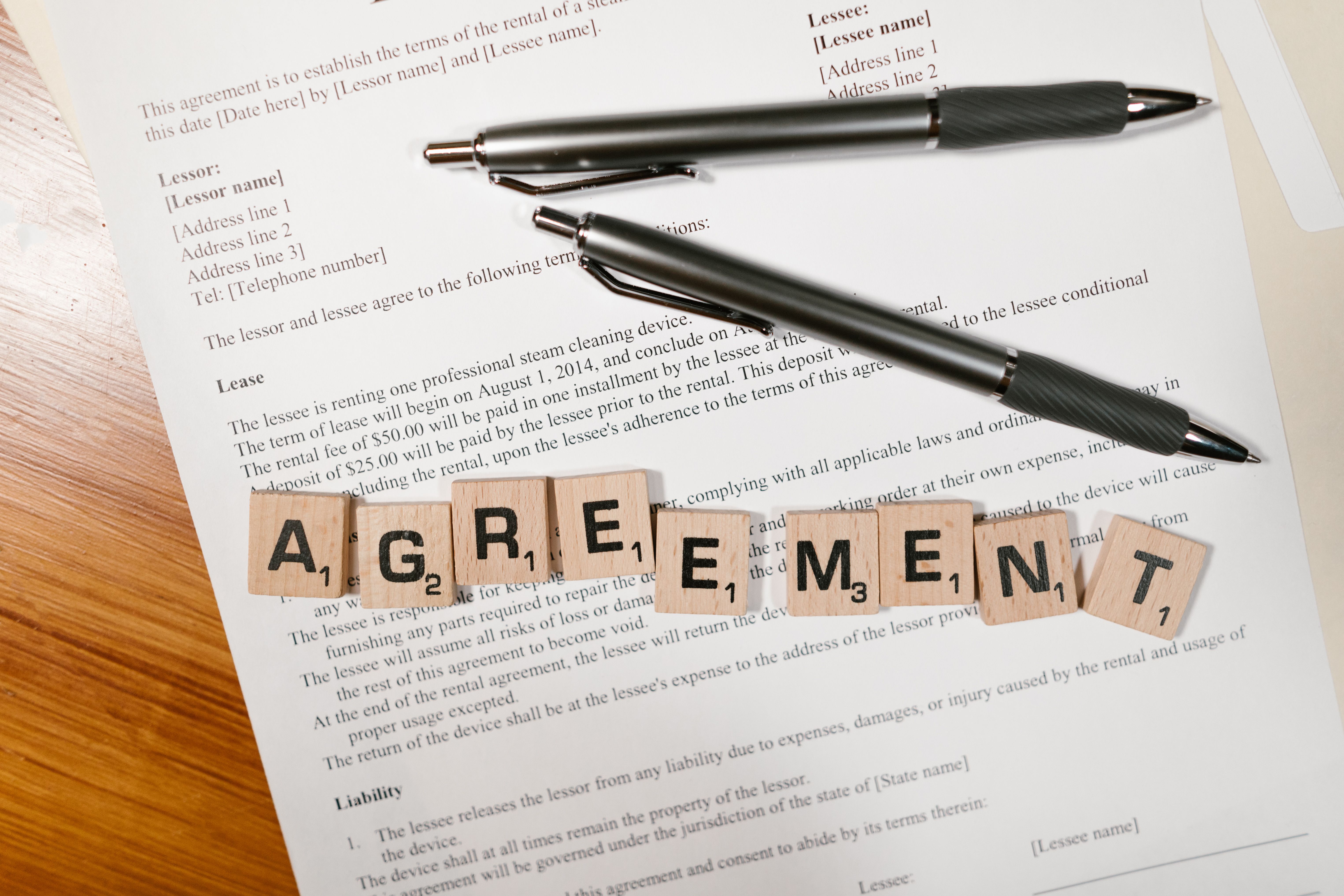
Well-drafted syndication and participation agreements protect MCA funders by establishing clear enforcement control, transparent recovery waterfalls, and enforceable risk allocation before a merchant defaults.

By issuing strategically targeted CPLR § 5222 Restraining Notices and strictly adhering to updated Exempt Income Protection Act (EIPA) threshold rules, judgment enforcement attorneys can instantly freeze debtor bank accounts without risking court sanctions or vacated levies.

When a defaulting debtor shuts down and reopens under a new corporate identity to evade collection, judgment attorneys use successor liability claims to attach the new entity's assets and recover what is owed.

By combining pre-signed UCC acknowledgments, direct enforcement rights under UCC § 9-607, and perfected security priority, MCA funders can convert paper UCC liens into liquid cash and defeat competing secondary stackers post-default.

By embedding exclusive jurisdiction, percentage-based attorney’s fee, post-default financial reporting, and UCC § 9-607 account interception clauses directly into the agreement, MCA funders can establish immediate legal leverage and accelerate post-default recovery.

Even the most meticulously drafted merchant cash advance contract will fail in court if a funder’s day-to-day operational habits, collection communications, and handling of reconciliation requests contradict the written terms.

By embedding robust representations, warranties, and intent provisions directly into merchant cash advance agreements at inception, funders can preemptively protect capital and establish clear grounds for recovery against bad-faith merchants.

Providing a New York judgment attorney with the judgment, debtor information, payment history, asset details, prior collection records, and underlying contracts can create a clearer foundation for evaluating judgment recovery options.

A New York restraining notice can help judgment creditors prevent certain transfers of a debtor's property or funds while pursuing lawful judgment recovery and other post-judgment enforcement remedies.
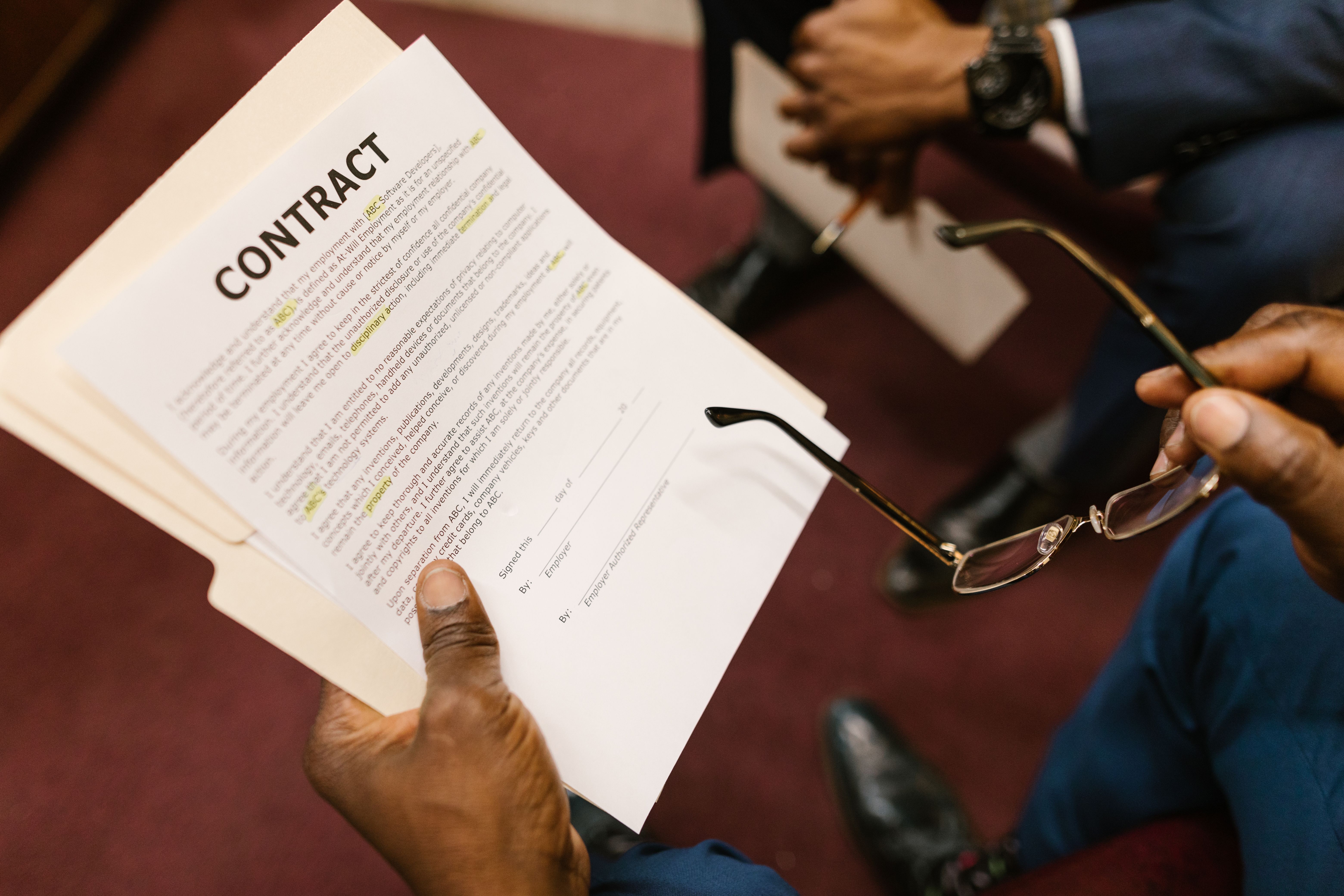
A perfected UCC-1 can help secured creditors pursue a merchant’s bank accounts and receivables after default through targeted enforcement and collection efforts.

A UCC lien only protects you if it's enforced — here's how our MCA collections attorney turns a filed lien into actual recovered funds before a defaulting merchant can move assets out of reach.

Before deploying your first dollar as a new MCA funder, here's the contract package purchase agreement, guaranty, UCC-1, and default provisions our merchant cash advance lawyers say you can't afford to skip.

Renegotiating an MCA deal after a merchant default can strengthen your recovery odds or quietly undercut your enforcement rights, here's how our MCA lawyers structure amendments to keep your agreement airtight.

This guide outlines seven essential evaluation questions to help MCA funders choose a dedicated debt recovery lawyer who can enforce contracts, defeat borrower defenses, and seize assets through court-backed recovery tools.

This article outlines the five judicial enforcement tools including UCC lien execution, pre-judgment asset freezes, subpoenas, direct litigation, and bank levies that give an MCA collections attorney far greater recovery power than a standard collection agency.

What happens when MCA co-funders can't agree on litigation, settlement, or timing after a merchant default and how a New York MCA lawyer helps resolve it.

As merchant cash advance defaults climb, more funders are bringing in a merchant cash advance attorney earlier in the collections process to protect recovery rates before assets and receivables are claimed by competing creditors.

Enforcing a judgment in New York involves a defined sequence of legal steps, from properly filing and docketing the judgment to locating assets and ultimately securing payout, and understanding each stage helps judgment creditors avoid unnecessary delays

Judgment enforcement timelines vary widely depending on factors like debtor assets, jurisdiction, and the collection method used, making it essential to understand what drives delays before pursuing collection.

A merchant cash advance is legally a purchase of future receivables, not a loan — and that distinction can hide serious risks a merchant cash advance attorney should catch before you sign.

What Happens When a Business Can't Keep Up With MCA Payments And How a Merchant Cash Advance Attorney Can Help

Repeated late payments are an early warning sign of a bigger cash flow problem — the earlier you track the pattern, tighten your terms, and escalate to a collections debt attorney if needed, the more leverage you keep and the better your chances of getting paid without a formal collection case.
An effective business collection demand requires precise debt calculations, concrete contract evidence, and firm legal deadlines to create immediate leverage and compel defaulting debtors to pay before litigation begins.

This article explains why judgment enforcement for debt often fail and what creditors can do to improve their chances of recovery.

This article explains which assets creditors may pursue after a New York judgment is entered and why legal strategy matters in post-judgment collection.

This section explains the first items a debt collections attorney needs, including contracts, invoices, timelines, demand letters, payment records, and written communications.

This article explains the first documents a debt collections attorney needs, including contracts, invoices, payment history, demand letters, and communications, to build a stronger collections for debt recovery strategy.