November 20, 2026
test

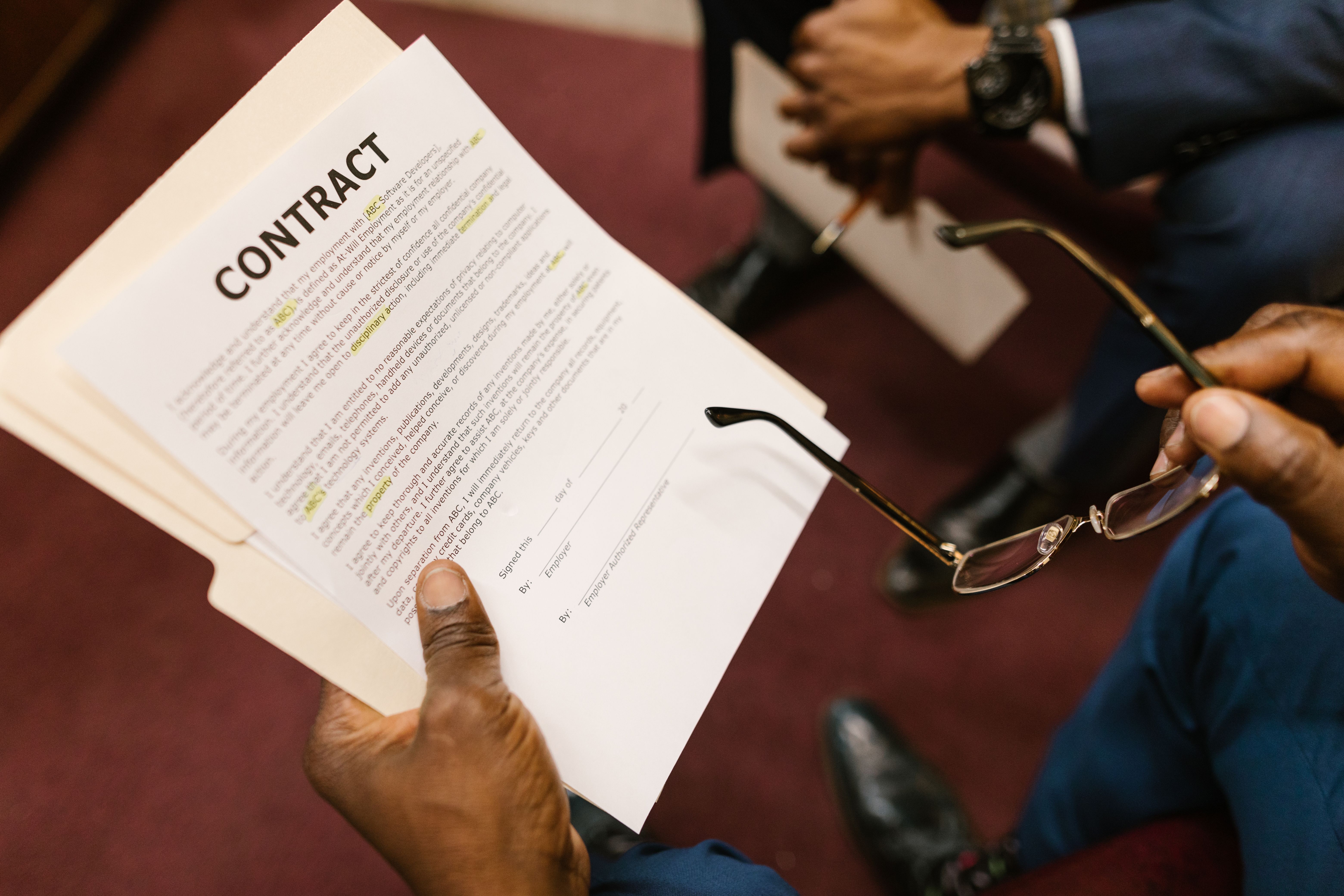
Syndicating or participating in a merchant cash advance (MCA) allows a funding company to spread capital exposure across multiple deals, scale deal volume without straining internal liquidity, and bring in co-funders on larger receivable purchases. Yet syndication also introduces a second layer of legal risk: even when the underlying merchant agreement is tightly drafted, a vague or poorly structured participation agreement can create gridlock, payment disputes, or litigation exposure between the lead funder and participating funders when a merchant defaults.
For MCA funders and commercial capital providers, protecting capital requires clear contract mechanics governing control, economics, reporting, and enforcement from day one. When a deal goes sideways, ambiguity over who calls the shots or how collected funds are split can slow down legal action while a defaulting merchant drains bank accounts or shifts receivables to competing creditors.
In the merchant cash advance industry, a syndication or participation agreement is a commercial contract between a lead funder (often the originating funder or servicer) and one or more participating funders who contribute capital toward a specific receivable purchase or funding pool.
Rather than lending money as a traditional loan, the transaction centers on the purchase of future business receivables. The lead funder typically handles underwriting, contract execution, daily or weekly ACH/remittance tracking, merchant communications, and default escalation, while participants fund an agreed percentage share in exchange for a corresponding share of future collections.
Core Structural Principle: A participation agreement governs the relationship between funders; it does not automatically expand a participant's direct standing against the merchant unless the contract and underlying deal documents explicitly establish that structure.
Key Mechanics of an MCA Participation Structure:
When a merchant slows payments, revokes ACH authorizations, or defaults outright, pressure builds quickly. Without clear contractual guardrails, disagreements among participants can delay demand letters, lawsuits, bank restraints, or settlement negotiations, giving a savvy debtor extra time to move assets.
A lead funder needs clear authority to act decisively when a merchant breaches. If a participation agreement requires approval from every participant before filing suit, serving subpoenas, or accepting a discounted settlement, a single unresponsive or unaligned co-funder can create costly bottlenecks.
Recoveries on defaulted MCA deals rarely arrive as a single clean lump sum. Funders may collect partial payments, settle for less than the full balance, incur legal fees and court costs, or face competing claims from other creditors.
Disputes sometimes arise after a default when a participant claims it relied on projections, merchant vetting, or assumptions not included in the written agreement.
Once funders share deal flow or syndication opportunities, protecting proprietary sourcing and coordinated collection strategy is essential.
Even strong legal remedies such as enforcing a merchant agreement, pursuing a guarantor, or executing a judgment lose momentum if internal co-funder friction slows execution.
Syndication can be a strong growth lever for MCA funders, but only when the legal foundation is built to hold up under pressure. Clear decision-making authority, transparent recovery waterfalls, and enforceable risk allocation help funders act fast and protect their capital when merchants default.
David I. Mizrahi Law, P.C. advises and represents MCA funders and commercial businesses on contract drafting, compliance, commercial collections, and judgment enforcement.
In everyday MCA practice, the terms are often used interchangeably, though a participation structure typically involves a lead funder originating or servicing a deal while participants fund shares under a participation agreement, whereas syndication more broadly refers to grouping or placing shares of a deal or pool among multiple funders. What matters most legally is the specific contract language governing control, servicing, and payouts.
Usually not unless the participation agreement and underlying transaction documents explicitly grant independent enforcement rights. Typically, the lead funder or designated servicer holds the direct contractual and enforcement relationship with the merchant and coordinates legal action.
Defaulted accounts often resolve through negotiated workouts, discounted lump-sum payoffs, or structured payment plans rather than protracted litigation. Giving the lead funder clear settlement standards helps prevent a single participant from blocking a commercially reasonable recovery.
Well-drafted agreements specify whether enforcement costs are deducted off the top of recoveries, billed pro rata to participants, or tied to specific approval thresholds, reducing disputes once collection legal counsel gets involved.
An experienced MCA attorney can align your participation agreement with your merchant contracts, guarantees, UCC filings, and collection workflow so there are no gaps between how you fund deals and how you enforce them after default.

Using CPLR § 5224 information subpoenas, New York judgment attorneys compel sworn financial disclosures from commercial debtors, banks, payment processors, and third parties to locate hidden accounts and pair discovery with immediate bank restraints.

Commercial creditors and MCA funders can defeat motions to vacate default judgments in New York by proving valid service, exposing missing reasonable excuses or meritorious defenses under CPLR § 5015 and § 317, and resisting blanket stays of post-judgment bank restraints.

When a merchant unilaterally revokes ACH authorization or switches bank accounts, New York MCA funders can pursue immediate breach-of-contract remedies, UCC § 9-607 receivables interception, guarantor liability, and expedited litigation to protect their recovery.

By issuing strategically targeted CPLR § 5222 Restraining Notices and strictly adhering to updated Exempt Income Protection Act (EIPA) threshold rules, judgment enforcement attorneys can instantly freeze debtor bank accounts without risking court sanctions or vacated levies.

When a defaulting debtor shuts down and reopens under a new corporate identity to evade collection, judgment attorneys use successor liability claims to attach the new entity's assets and recover what is owed.

By combining pre-signed UCC acknowledgments, direct enforcement rights under UCC § 9-607, and perfected security priority, MCA funders can convert paper UCC liens into liquid cash and defeat competing secondary stackers post-default.

By embedding exclusive jurisdiction, percentage-based attorney’s fee, post-default financial reporting, and UCC § 9-607 account interception clauses directly into the agreement, MCA funders can establish immediate legal leverage and accelerate post-default recovery.

Even the most meticulously drafted merchant cash advance contract will fail in court if a funder’s day-to-day operational habits, collection communications, and handling of reconciliation requests contradict the written terms.

By embedding robust representations, warranties, and intent provisions directly into merchant cash advance agreements at inception, funders can preemptively protect capital and establish clear grounds for recovery against bad-faith merchants.

Providing a New York judgment attorney with the judgment, debtor information, payment history, asset details, prior collection records, and underlying contracts can create a clearer foundation for evaluating judgment recovery options.

A New York restraining notice can help judgment creditors prevent certain transfers of a debtor's property or funds while pursuing lawful judgment recovery and other post-judgment enforcement remedies.
A perfected UCC-1 can help secured creditors pursue a merchant’s bank accounts and receivables after default through targeted enforcement and collection efforts.

A UCC lien only protects you if it's enforced — here's how our MCA collections attorney turns a filed lien into actual recovered funds before a defaulting merchant can move assets out of reach.

Before deploying your first dollar as a new MCA funder, here's the contract package purchase agreement, guaranty, UCC-1, and default provisions our merchant cash advance lawyers say you can't afford to skip.

Renegotiating an MCA deal after a merchant default can strengthen your recovery odds or quietly undercut your enforcement rights, here's how our MCA lawyers structure amendments to keep your agreement airtight.

This guide outlines seven essential evaluation questions to help MCA funders choose a dedicated debt recovery lawyer who can enforce contracts, defeat borrower defenses, and seize assets through court-backed recovery tools.

This article outlines the five judicial enforcement tools including UCC lien execution, pre-judgment asset freezes, subpoenas, direct litigation, and bank levies that give an MCA collections attorney far greater recovery power than a standard collection agency.

What happens when MCA co-funders can't agree on litigation, settlement, or timing after a merchant default and how a New York MCA lawyer helps resolve it.

As merchant cash advance defaults climb, more funders are bringing in a merchant cash advance attorney earlier in the collections process to protect recovery rates before assets and receivables are claimed by competing creditors.

Enforcing a judgment in New York involves a defined sequence of legal steps, from properly filing and docketing the judgment to locating assets and ultimately securing payout, and understanding each stage helps judgment creditors avoid unnecessary delays

Judgment enforcement timelines vary widely depending on factors like debtor assets, jurisdiction, and the collection method used, making it essential to understand what drives delays before pursuing collection.

A merchant cash advance is legally a purchase of future receivables, not a loan — and that distinction can hide serious risks a merchant cash advance attorney should catch before you sign.

What Happens When a Business Can't Keep Up With MCA Payments And How a Merchant Cash Advance Attorney Can Help

Repeated late payments are an early warning sign of a bigger cash flow problem — the earlier you track the pattern, tighten your terms, and escalate to a collections debt attorney if needed, the more leverage you keep and the better your chances of getting paid without a formal collection case.
An effective business collection demand requires precise debt calculations, concrete contract evidence, and firm legal deadlines to create immediate leverage and compel defaulting debtors to pay before litigation begins.

This article explains why judgment enforcement for debt often fail and what creditors can do to improve their chances of recovery.

This article explains which assets creditors may pursue after a New York judgment is entered and why legal strategy matters in post-judgment collection.

This section explains the first items a debt collections attorney needs, including contracts, invoices, timelines, demand letters, payment records, and written communications.

This article explains the first documents a debt collections attorney needs, including contracts, invoices, payment history, demand letters, and communications, to build a stronger collections for debt recovery strategy.