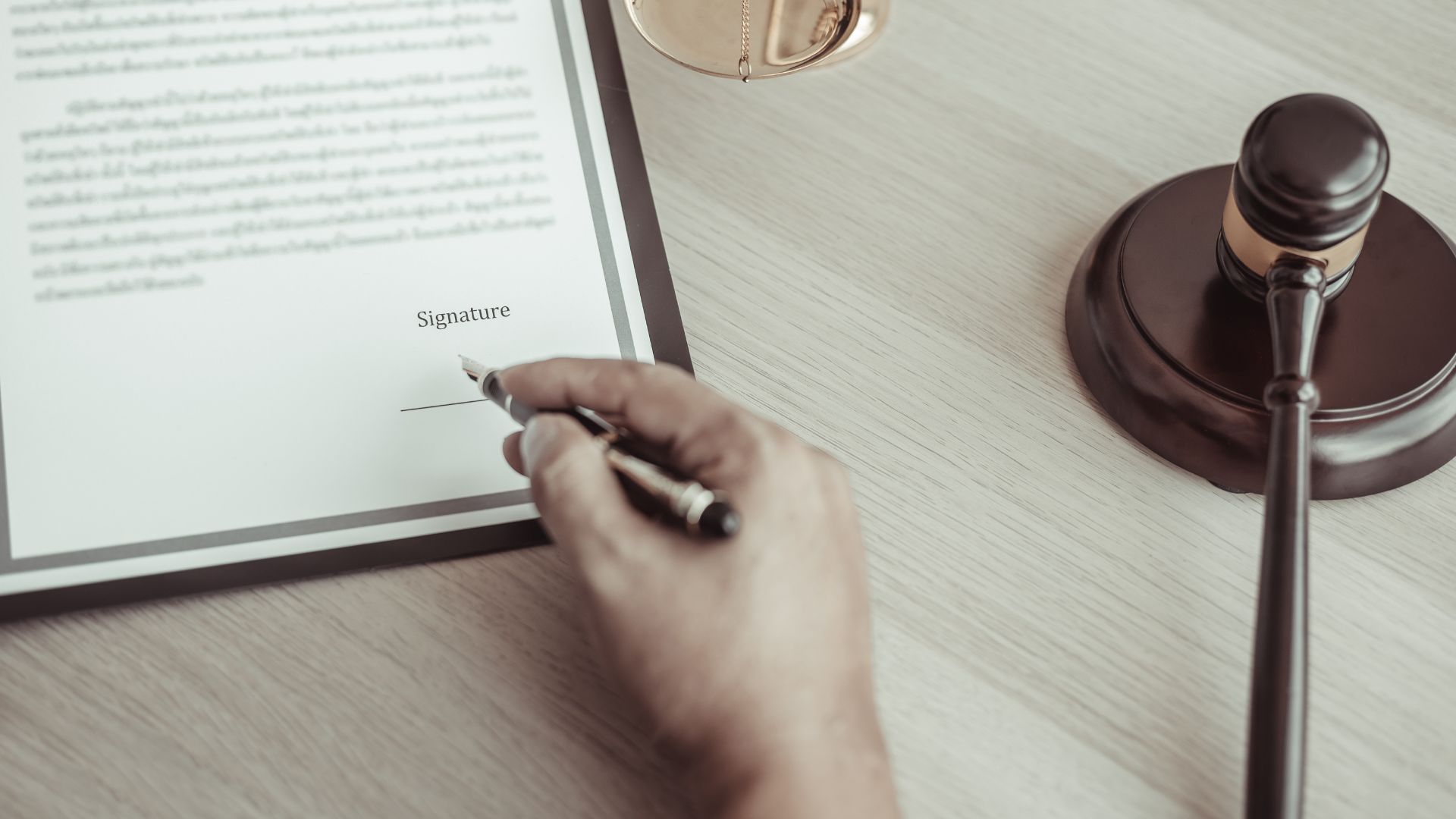
A merchant cash advance can feel like fast relief when a business needs money quickly. But when sales slow down, the daily or weekly withdrawals that once felt manageable can quickly turn into a serious cash flow problem one that spreads from the MCA itself into payroll, vendor payments, and every other obligation the business has.
Many business owners underestimate how aggressive MCA repayment structures really are. Unlike a traditional term loan, an MCA typically pulls money directly from revenue on a near-daily basis, so even a modest dip in sales can create an immediate shortfall. Once a business falls behind, the funder may begin collection actions spelled out in the contract, including account sweeps, legal pressure, or judgment enforcement, depending on what was signed.
If you're already behind or can see it coming, this is the point where speaking with a merchant cash advance attorney matters most before the funder, not you, controls the timeline.
Key Takeaways
- MCA payments are tied to revenue and can become unsustainable fast during a slowdown.
- Falling behind can trigger default and aggressive collection steps almost immediately.
- Early communication with the funder often creates more options than waiting.
- Business owners should have their contract reviewed before the situation worsens.
- A merchant cash advance lawyer can evaluate defenses, restructuring, and settlement options.
Why MCA Payments Become Unmanageable
The core problem is simple: cash flow changes, but the repayment schedule usually doesn't. A business may have qualified for funding during a strong sales month, only to see revenue drop, invoices slow, or a seasonal dip arrive before the advance is repaid. Because MCA withdrawals are often daily or weekly, there's very little room to absorb even a temporary downturn.
That pressure rarely stays contained to the MCA itself. Once a business starts missing payments, it often struggles to cover rent, payroll, inventory, and tax obligations simultaneously. At that point, the advance meant to help the business survive is now competing directly with the expenses that keep it running.
What Usually Happens After Missed Payments
The first sign of trouble is often a failed withdrawal or a shortfall in the revenue stream the funder relies on for repayment. In many MCA agreements, a single missed payment can automatically trigger default; there's frequently no grace period built in, as there would be with a bank loan.
Once default occurs, the funder typically moves through its contractual remedies, which may include the following:
- Repeated debit attempts against business accounts
- Pressure applied directly to business bank accounts
- Enforcement of a confession of judgment clause, if one was signed
- Pursuit of a personal guarantee, if the owner signed one extending risk beyond the business itself
This is usually the point where business owners start searching for an MCA lawyer, but the earlier that search happens, the more options are typically still on the table.
The Risk of Account Freezes and Legal Action
One of the most disruptive consequences of MCA default is how quickly a funder can act to secure repayment. In some cases, this affects business bank accounts or payment processing directly, and once funds are restricted, it becomes significantly harder for the business to recover, pay staff, or fulfill existing orders.
Legal action is the other major risk. After default, a funder may shift from automatic withdrawals to formal collection efforts. If the agreement includes a confession of judgment, the funder may be able to obtain a judgment far faster than in a typical lawsuit, sometimes without the business getting a real opportunity to respond first. This is exactly the scenario where merchant cash advance attorneys are most useful: reviewing whether the funder is following the contract correctly, and whether any of those provisions can be challenged.
Why Early Communication Matters
If a business can see a payment problem coming, reaching out to the funder early is almost always better than going silent. Some funders are willing to discuss revised terms, temporary relief, or a settlement structure, but that flexibility tends to shrink sharply once the account is already in default.
Early communication also builds a paper trail. Explaining the revenue drop, providing updated financials, or formally requesting a modification creates a record that may matter later if there's a dispute about what happened or whether the funder acted properly. Businesses that wait too long often lose the chance to negotiate from a position of any real leverage.
Reconciliation, Restructuring, and Settlement
Some MCA agreements include a reconciliation provision, which can adjust payments downward when revenue falls below the level originally projected. Where available, reconciliation can be enough on its own to prevent default and buy the business time to stabilize.
When reconciliation isn't available or isn't enough, restructuring or settlement is often the next step. This can include negotiating a reduced payment amount, a revised total balance, or a lump-sum settlement for less than what's owed. These options are almost always easier to negotiate before the funder escalates into litigation, which is part of why business owners often bring in an MCA lawyer at the first sign of serious trouble, not after a lawsuit is already filed.
Bankruptcy as a Last Resort
If the business can't recover and the MCA obligations are no longer sustainable, bankruptcy may enter the conversation. It's not a first option, but it can provide a legal framework for reorganizing debt or halting certain collection actions outright. The right path depends heavily on the business's structure, total debt load, and realistic revenue outlook going forward.
Because MCA disputes can escalate quickly, business owners shouldn't assume they have unlimited time to weigh their options. By the time an account is deeply in default, leverage has often already shifted decisively to the funder, which is why early legal review matters as much as the decision itself.
How a Merchant Cash Advance Attorney Helps
A merchant cash advance attorney reviews the agreement in detail and explains what remedies the funder can actually pursue, not just what the contract implies. That review typically includes:
- Reconciliation language and whether it was followed correctly
- Personal guarantee provisions and their real exposure
- Confession of judgment clauses and whether they're enforceable as written
- Whether the funder has followed the contract's terms and applicable law
Legal help becomes especially valuable when a business wants to negotiate but doesn't know how far a funder is actually willing to go. A merchant cash advance lawyer can communicate on the owner's behalf, push for better terms, and help avoid missteps that make the dispute worse. If litigation looks likely, an attorney can begin building a defense strategy early rather than reacting after the funder has already taken action.
For businesses operating in New York, this matters even more. New York has become a hub for MCA litigation and enforcement activity, and a merchant cash advance attorney New York business owners can consult locally will be familiar with how these cases typically play out in New York courts, including how confession of judgment provisions and usury-related defenses are handled under New York law.
Don't Wait Until the Funder Controls the Timeline
When a business can't keep up with MCA payments, the situation can escalate quickly from cash flow stress to default to collection to legal action. The earlier a business responds, the more options it typically has, whether that's reconciliation, restructuring, settlement, or a defense strategy grounded in a careful review of the contract. Ignoring the problem almost always narrows those options further.
If your business is falling behind on MCA obligations, don't wait for the funder to make the first move. Speak with a merchant cash advance attorney today to review your agreement, understand your real exposure, and identify the strongest path forward—whether that's negotiation, restructuring, or defending against improper collection tactics. If you're based in New York, working with a merchant cash advance attorney New York courts and funders regularly deal with can make a meaningful difference in how quickly and favorably your case is resolved.
Frequently Asked Questions
1. What happens first when a business misses MCA payments?
A missed payment can trigger default under the contract, which may start the funder's collection process sometimes with little or no grace period.
2. Can an MCA funder freeze a business bank account?
In some cases, yes. Certain MCA agreements and collection tactics can restrict bank access or interfere with payment processing, which is one reason early legal review matters.
3. Is reconciliation always available?
No. Reconciliation depends entirely on the specific language in the MCA agreement a merchant cash advance lawyer can review your contract to confirm whether it applies.
4. Can a personal guarantee make the situation worse?
Yes. If a personal guarantee was signed, the business owner may remain personally responsible for the debt even if the business itself can't pay.
5. Why hire a merchant cash advance attorney instead of handling it alone?
An experienced MCA lawyer can identify defenses, negotiate directly with the funder, and help avoid mistakes that often make these disputes more costly and harder to resolve.















.jpg)
%20(1).jpg)
%20(1).jpg)
%20(1).jpg)